Buda Or Pest? Which Side Is Better?
Budapest is often regarded as one of Europe’s most beautiful cities. What makes it especially intriguing is its very structure. For much of its history, it was not a single city at all, but rather two distinct towns, Buda and Pest, separated by the Danube River. These two halves were joined together, along with a smaller area called Óbuda, in 1873 to form the Budapest we know today.
While the city has grown into a unified whole over the past century and a half, the two sides of the river still have their own unique personalities. Visitors quickly notice the difference. Buda is often described as quieter, greener, and more historic, while Pest is the bustling, modern heart of the city. Each has its attractions, advantages, and drawbacks, which means choosing where to spend most of your time requires some thought.
So, which side would be the best option for a first-time visitor to stay in?
Advertising
Before diving into the differences in atmosphere and attractions, it is worth understanding the history that shaped these two areas.
Buda, located on the west bank of the Danube, has been settled since Roman times. It was once the seat of Hungarian royalty and has long been considered the more aristocratic side of the city. Its hilly terrain offered a defensive advantage in the past, and many of its most important historic buildings remain perched on those slopes today.
Pest, on the east bank, developed later as a commercial and industrial hub. Its flat geography made it easier to expand, and over time it became the more densely populated part of the city. By the 19th century, Pest had emerged as a vibrant center of trade and culture, setting the stage for its role as the livelier, more modern half of Budapest today.
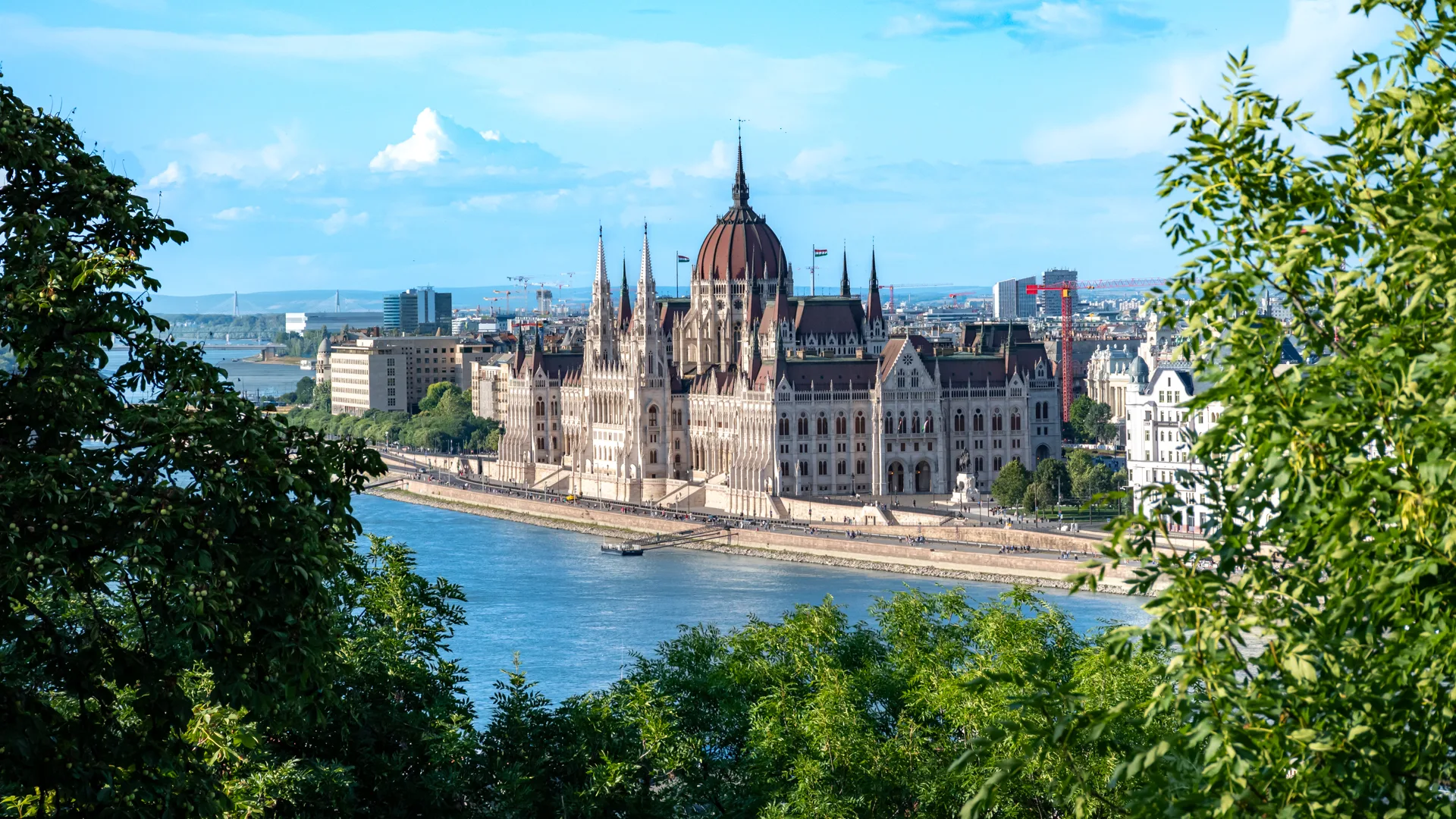
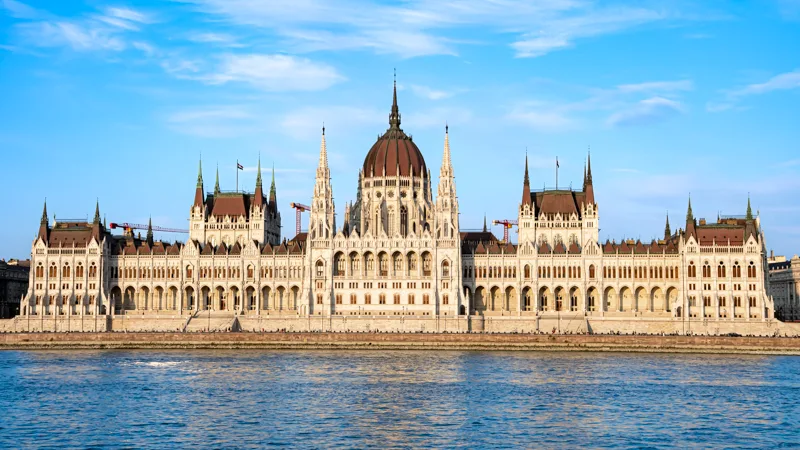
The Hungarian Parliament Building on the Pest side, viewed from Buda Castle on the Buda side
Buda is often considered the romantic side of Budapest. With its hills, cobblestone streets, and historic architecture, it offers a more tranquil experience than Pest. The most iconic sites here are Buda Castle and Fisherman’s Bastion.
Buda Castle is a massive complex that includes not only the former royal palace but also the Hungarian National Gallery and the Budapest History Museum. Its elevated position provides panoramic views across the Danube to the Parliament Building on the Pest side. Exploring the castle grounds can easily take several hours, particularly if you visit the museums.
It is worth noting, however, that Buda Castle is currently under heavy restoration and is partly inaccessible. This work will continue for several years and is not expected to be completed until 2030. The views remain beautiful, but the site is effectively a construction zone at the moment.
Fisherman’s Bastion is equally unmissable. This neo-Romanesque terrace, with its turrets and arches, offers some of the best views in the city. It is especially beautiful at sunrise and sunset, when the light over the river is at its most dramatic. I personally found Fisherman’s Bastion to be the most interesting and unique attraction in Budapest.
Beyond these major landmarks lies Buda’s old town. While charming, it is relatively small and lacks the extensive, postcard-perfect character of other Central European old towns such as Prague or Kraków. An hour is usually sufficient to see its main streets, shops, and cafes. I do not believe I even spent that much time there. There is so much else to do in Budapest, and so many better old towns in Europe.
For those who enjoy peaceful green spaces, Buda also offers attractions such as Gellért Hill, which features the Citadella fortress and sweeping city views, and Margaret Island, a quiet riverside park shared between Buda and Pest.
Advertising
Pest is the opposite in many ways. It is flat, busy, and always in motion. This is where you will find the heart of Budapest’s modern life.
Shopping on Váci Street is one of the main draws. This long pedestrian boulevard is lined with shops ranging from international brands to local boutiques. Street performers, cafes, and souvenir stands keep it lively at almost all hours.
The Jewish Quarter is another highlight. This district is known for its unique ruin bars, which are housed in abandoned or partially decayed buildings filled with quirky decorations. These venues have become a defining part of Budapest’s nightlife. The Jewish Quarter also offers excellent dining, from traditional Hungarian dishes to vegan-friendly options, as well as historic sites such as the Dohány Street Synagogue, the largest synagogue in Europe.
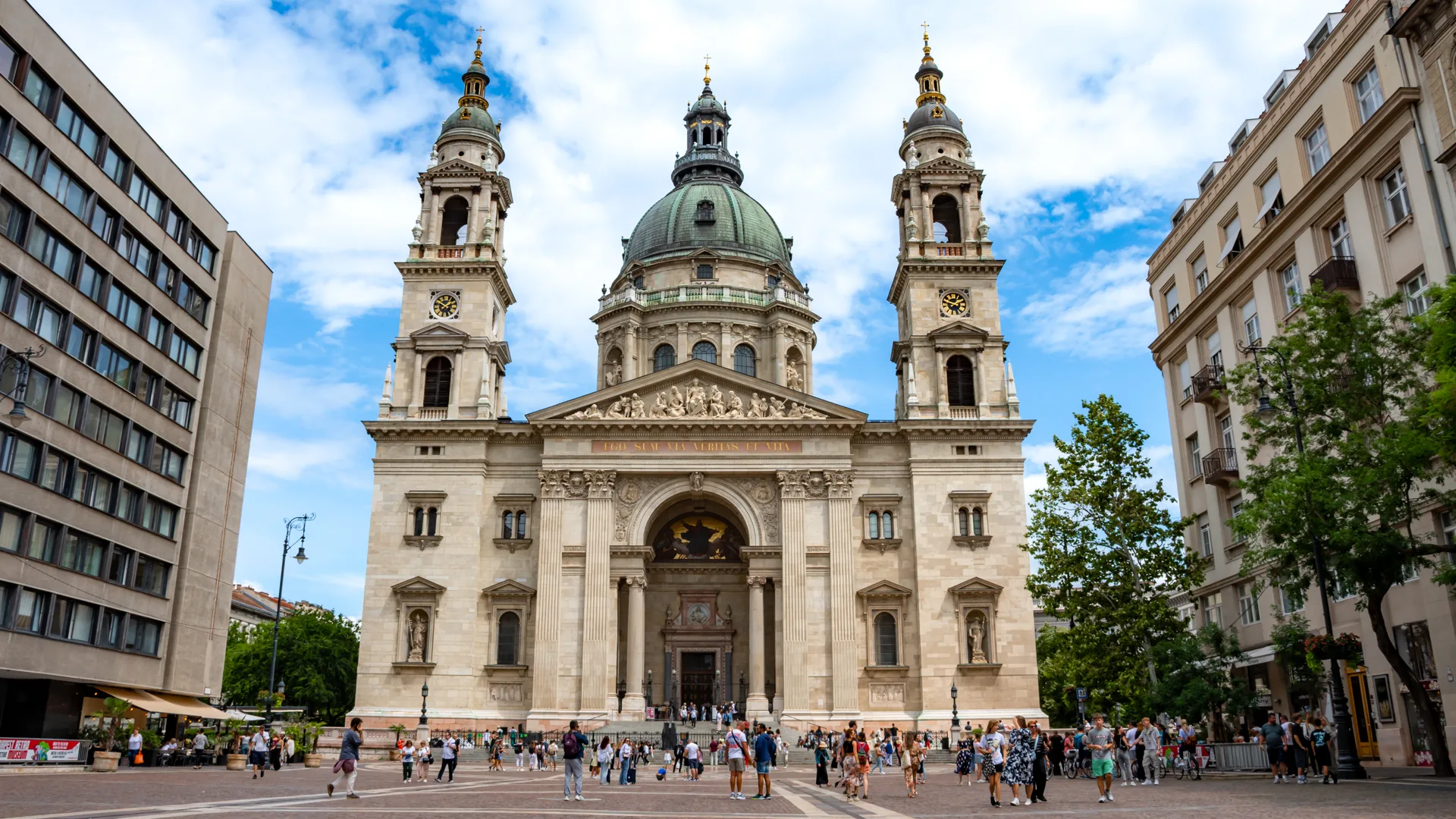
Pest is also home to the Hungarian Parliament Building, an architectural masterpiece and one of the city’s most photographed landmarks. Other notable sights include St. Stephen’s Basilica, the Hungarian State Opera House, and Heroes’ Square. The Pest side also boasts some of the city’s best museums, including the Museum of Fine Arts and the House of Terror, which chronicles Hungary’s turbulent 20th-century history.
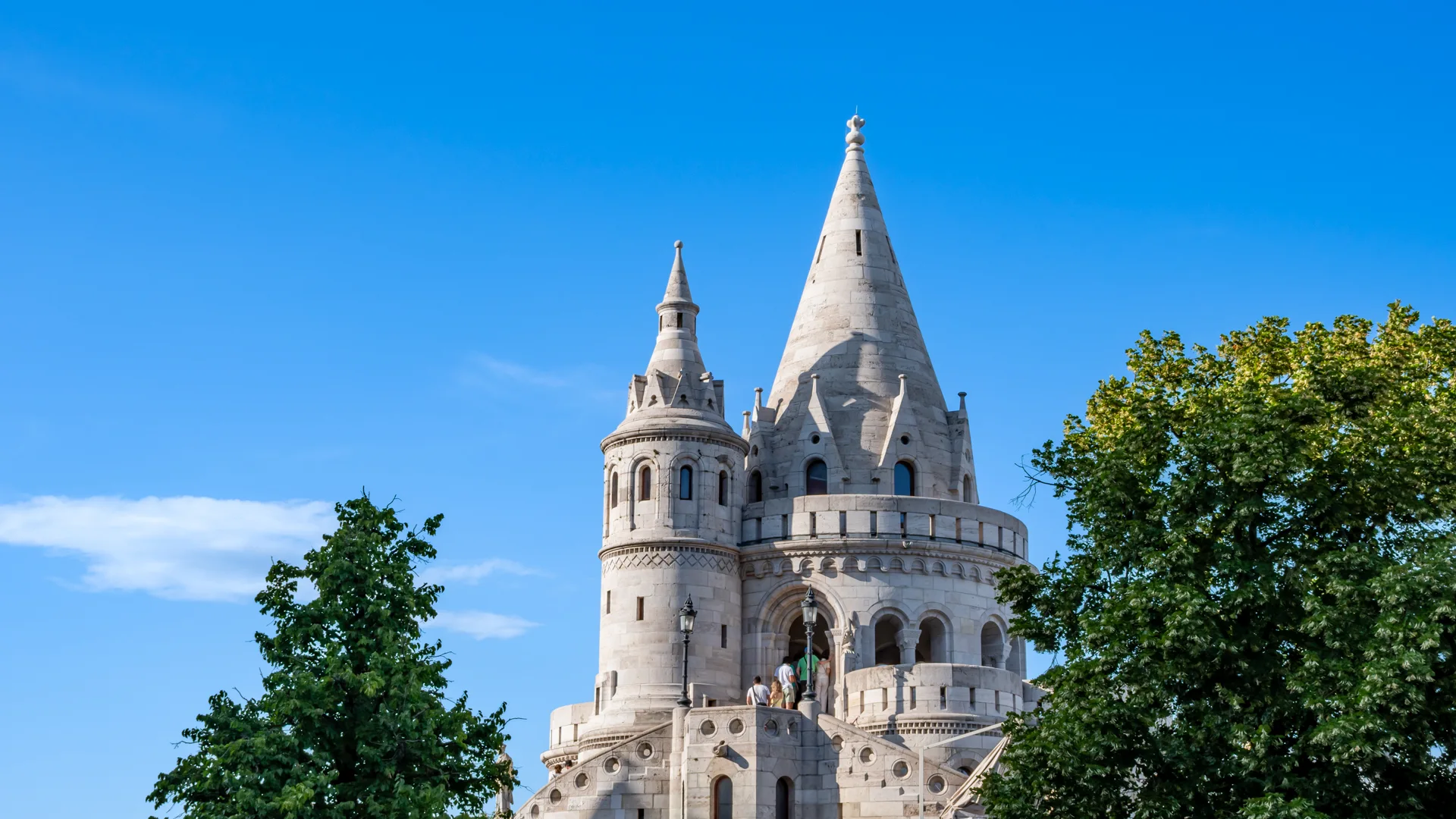
Fisherman’s Bastion in Buda
The contrast between the two sides is not just about attractions. It is about lifestyle and rhythm. Buda is quieter and more residential. Its pace is slower, making it a good choice for those who want to relax and enjoy a more laid-back visit. However, after dark, Buda can feel too quiet for some travelers. Restaurants close earlier, and nightlife is limited.
Pest, by contrast, is always alive with activity. Whether it is a weekday morning or a Saturday night, there is always something happening. It is a hub for public transportation, so it is easy to get around the city from here.
For first-time visitors, staying on the Pest side is generally the best option. This is where you will find the widest range of accommodation, from luxury hotels to budget hostels, as well as easy access to most attractions.
The area around Deák Ferenc Tér is particularly convenient, as it is the intersection of three metro lines and several tram routes. From here, you can reach almost anywhere in the city within minutes. Nearby Király Street is filled with restaurants, bars, and cafes, giving you plenty of options within walking distance.
Advertising
For a first-time visit, I recommend booking accommodation in Pest, preferably near Deák Ferenc Tér or Király Street. This location offers excellent transport connections, plenty of dining and entertainment options, and an energetic atmosphere that captures the spirit of modern Budapest.
Buda’s historic charm is best enjoyed as a day trip, allowing you to soak in its views and heritage before returning to Pest’s lively streets in the evening.
By understanding the character of each side and planning accordingly, you can make your time in Budapest both rewarding and memorable.
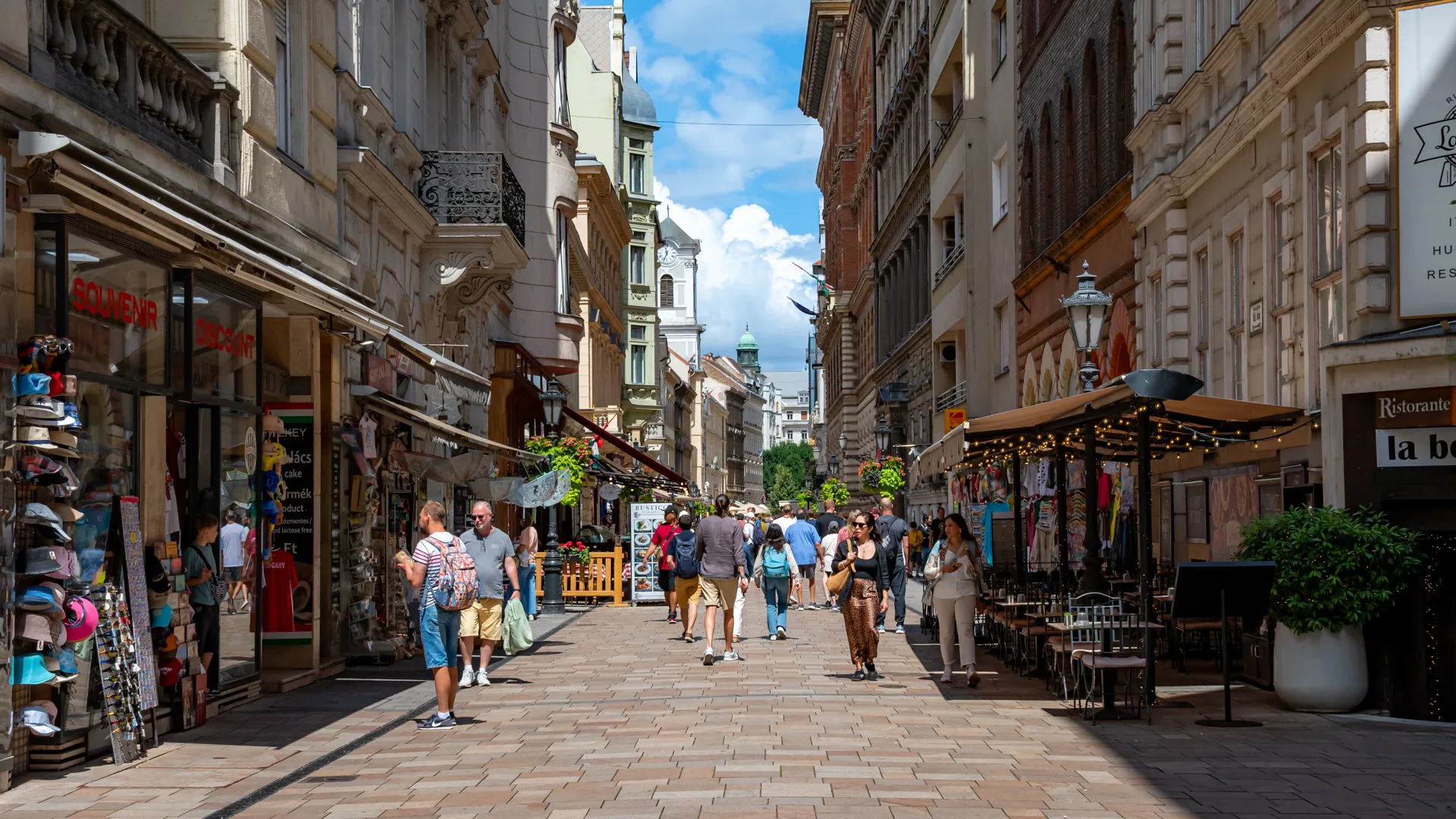
Váci Street in Pest
Read More From WorldThroughMyCamera.com