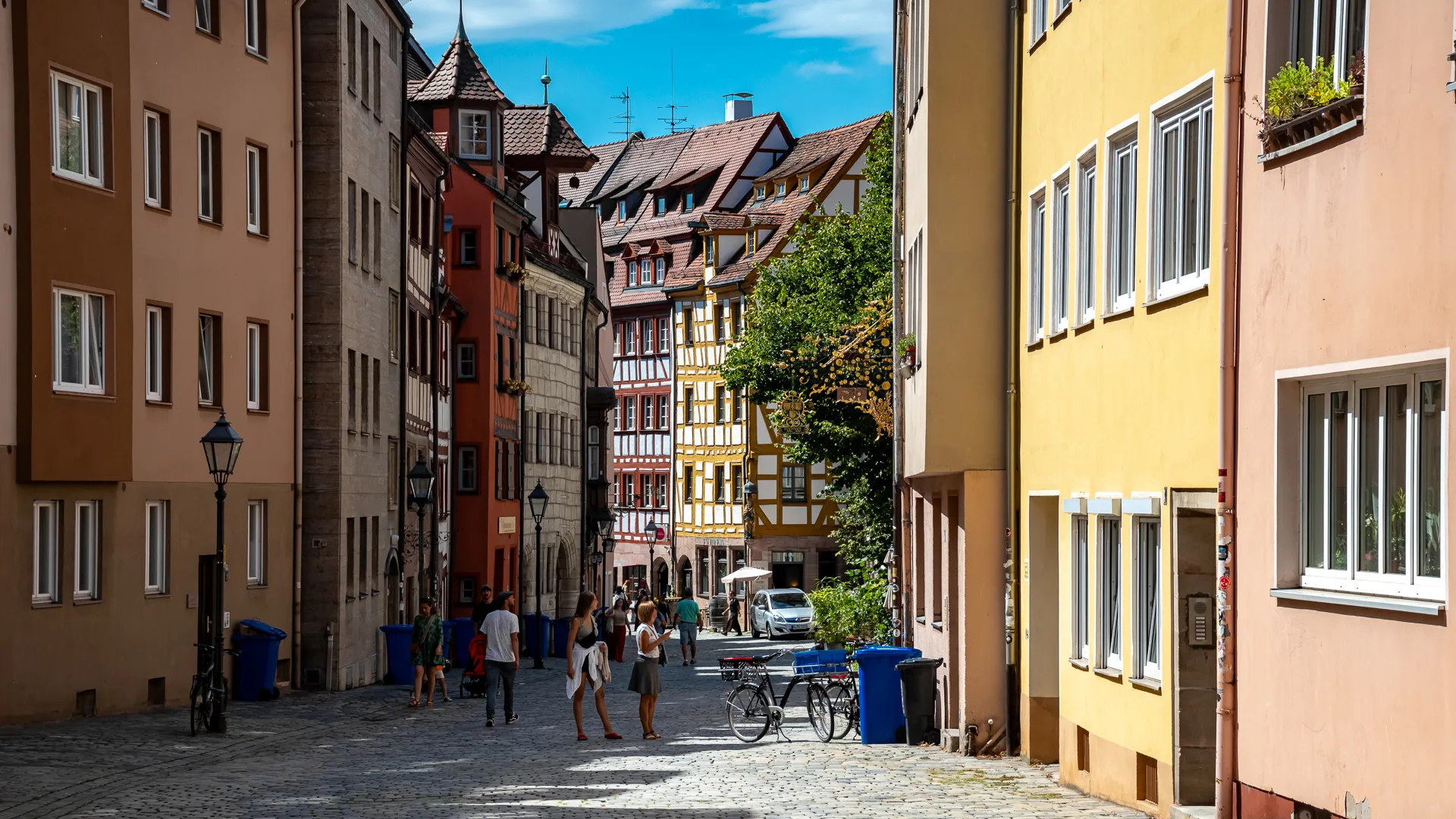
Five Sights In Nuremberg
Nuremberg, also called Nürnberg in many languages, including the local language of German, is the second-largest city in Bavaria in Southern Germany. It is not as famous as Munich, but I found that it was equally as interesting to visit. Historically, Nuremberg had much more influence than it does today, which means that there is a high concentration of historic sights to be seen.
It is actually one of only four cities in Germany that have a U-Bahn (underground metro) system. That is despite only being the 14th largest city in Germany. This makes it easy to get around the city, even though most of the main sights are located within comfortable walking distance of each other in the Altstadt (Old Town).
Advertising
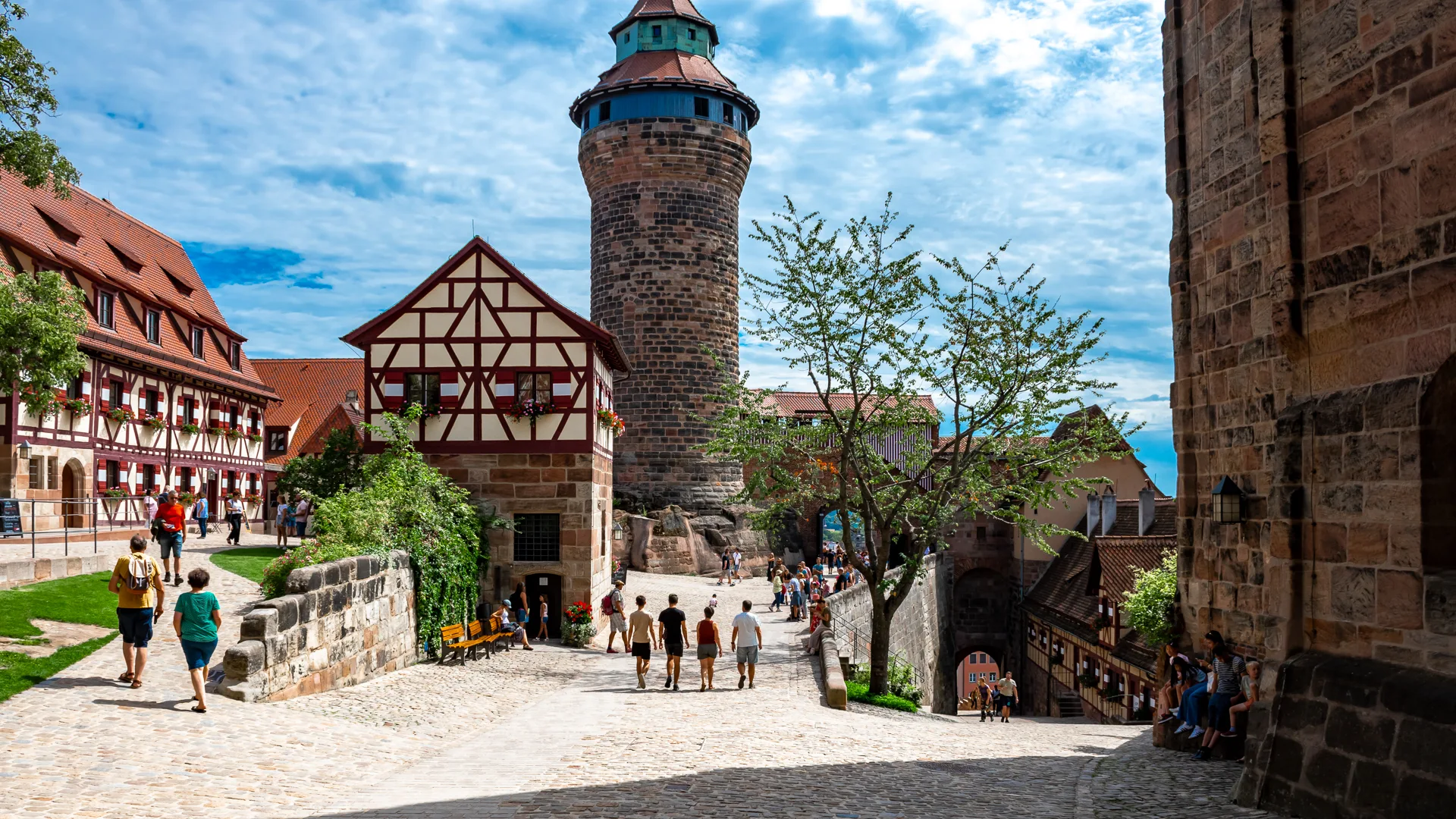
Inside Nuremberg Castle
 Nuremberg Castle
The main attraction of Nuremberg, and possibly one of the main attractions of Germany. In German, it is called Nürnberg Burg, and this is what all signs will say in the city. During the Middle Ages, it was a prominent and important castle in Central Europe and was frequently visited by the Holy Roman Emperors of the time. After the Thirty Years' War (1618 - 1648), it started to lose importance as the power balance in Europe shifted.
The walk up to the Castle can be challenging; it is a steep ascent as the Castle is situated at the top of a hill overlooking the city. The reward is worth it, though! The view from the top is amazing!
The Castle grounds are open to the public for free, and you can roam between the buildings and admire the architecture freely. To go inside the Courtyard and the Castle itself, as well as the Sinwell Tower (Sinwellturm) and Deep Well (Tiefen Brunnen), you will have to pay an entrance fee. I did pay for the Castle, which is also a museum of the history of Nuremberg. I would not recommend it unless you are particularly interested. The views from the free areas are enough.
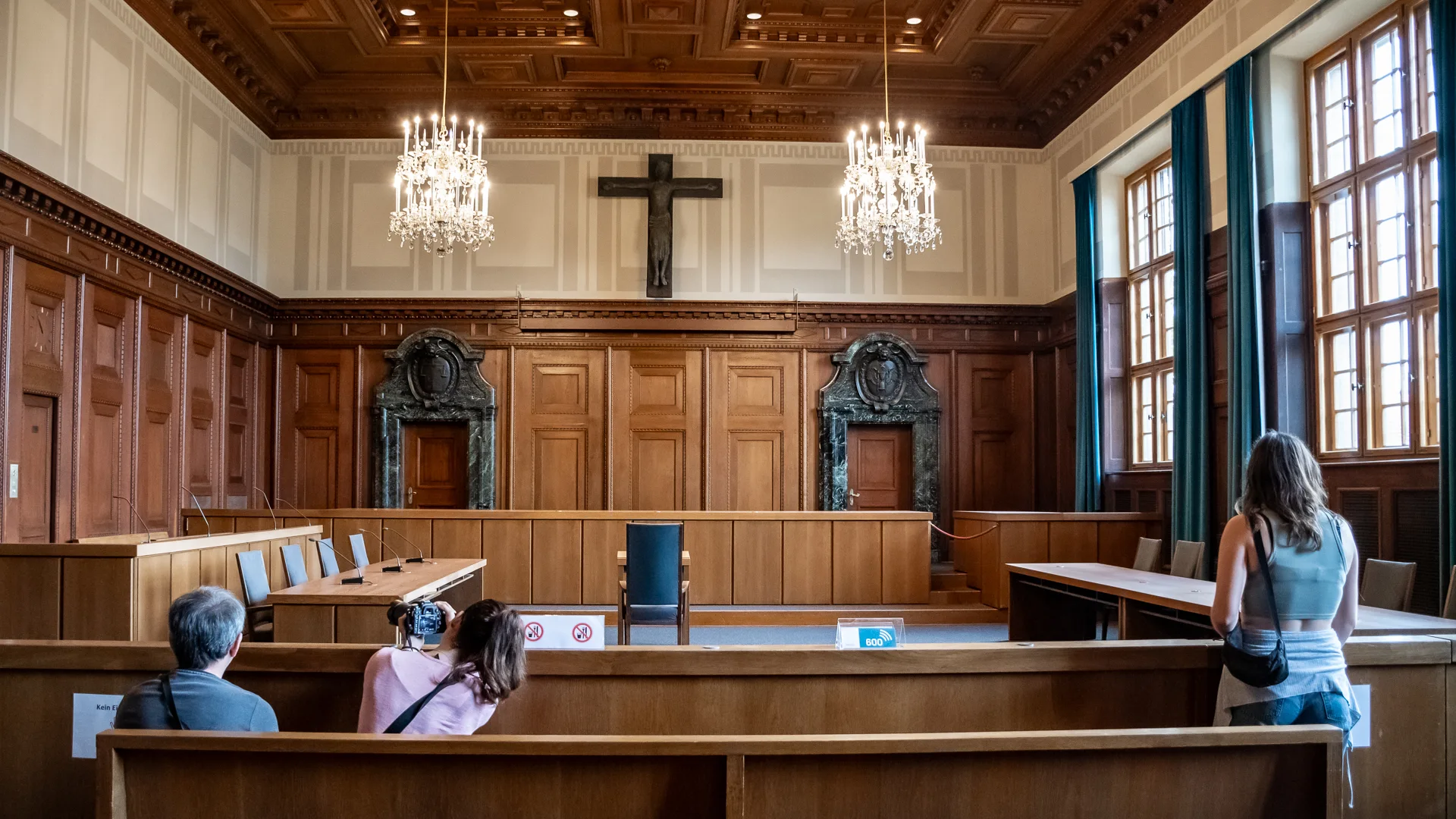
Courtroom 600
Memorium Nuremberg Trials
After World War II, when the surviving leaders of Germany were brought to justice, they did so in Nuremberg. The city is known for the process called 'The Nuremberg Trials.' It is actually possible to visit the actual courtroom where these trials took place.
Visit the Nuremberg Trials Memorial at the Palace of Justice for an informative exhibition about the crimes of World War II as well as the subsequent trials. The tour ends with a visit to Courtroom 600, where the trials took place in 1945. The courtroom is still an active courtroom, so on certain days, it might be closed to the public if there is a trial going on there.
The Palace of Justice is located outside of the Old Town, and for this sight, it is advisable to make use of the metro system. The address is Fürther Strasse 110. The closest metro station is Bärenschanze, from which it is a short two-quarter walk until you reach your destination. It was very convenient to get there even if it might look difficult on a map.
Advertising
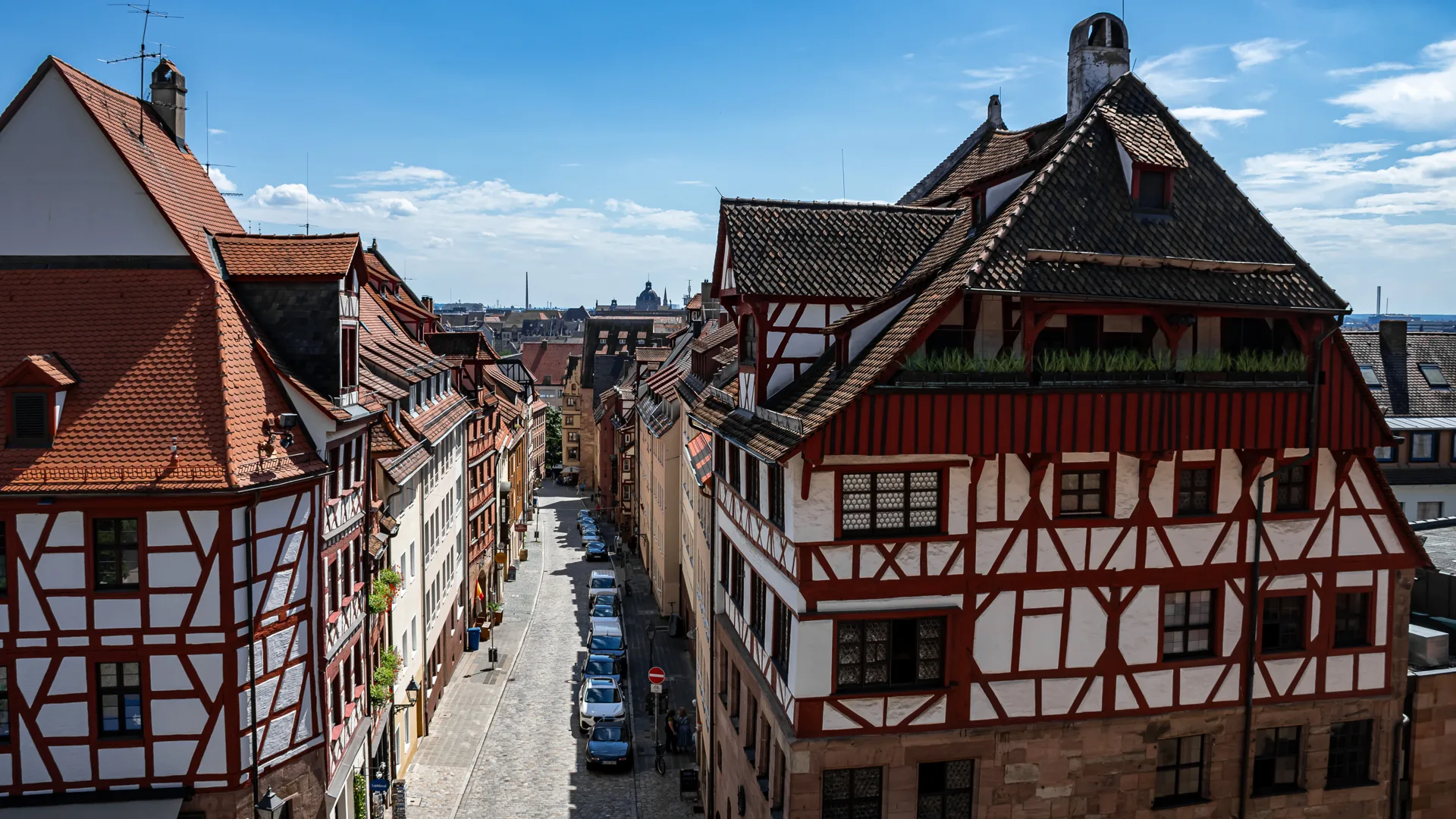
Albrecht Dürer's House to the right
Albrecht Dürer's House
All of Nuremberg's Altstadt is full of beautiful half-timbered houses. Personally, I find this to be one of the most beautiful architectural styles for small-scale developments. You will find them scattered all over Nuremberg, often in the colors of red/pink and white.
The most famous of these buildings is the Albrecht-Dürer-Haus, or Albrecht Dürer's House in English. It is not exceptionally beautiful or unique compared to other similar buildings in the city. It is famous for being the home of the German Renaissance artist Albrecht Dürer from 1509 until his death in 1528.
The building was originally constructed around 1420, but, as with many buildings in Germany, it was sadly severely damaged in World War II, so the current building is partly a reconstruction. You will find Albrecht Dürer's House near Tiergärtnertor in the northwestern part of the Altstadt, close to Nuremberg Castle.
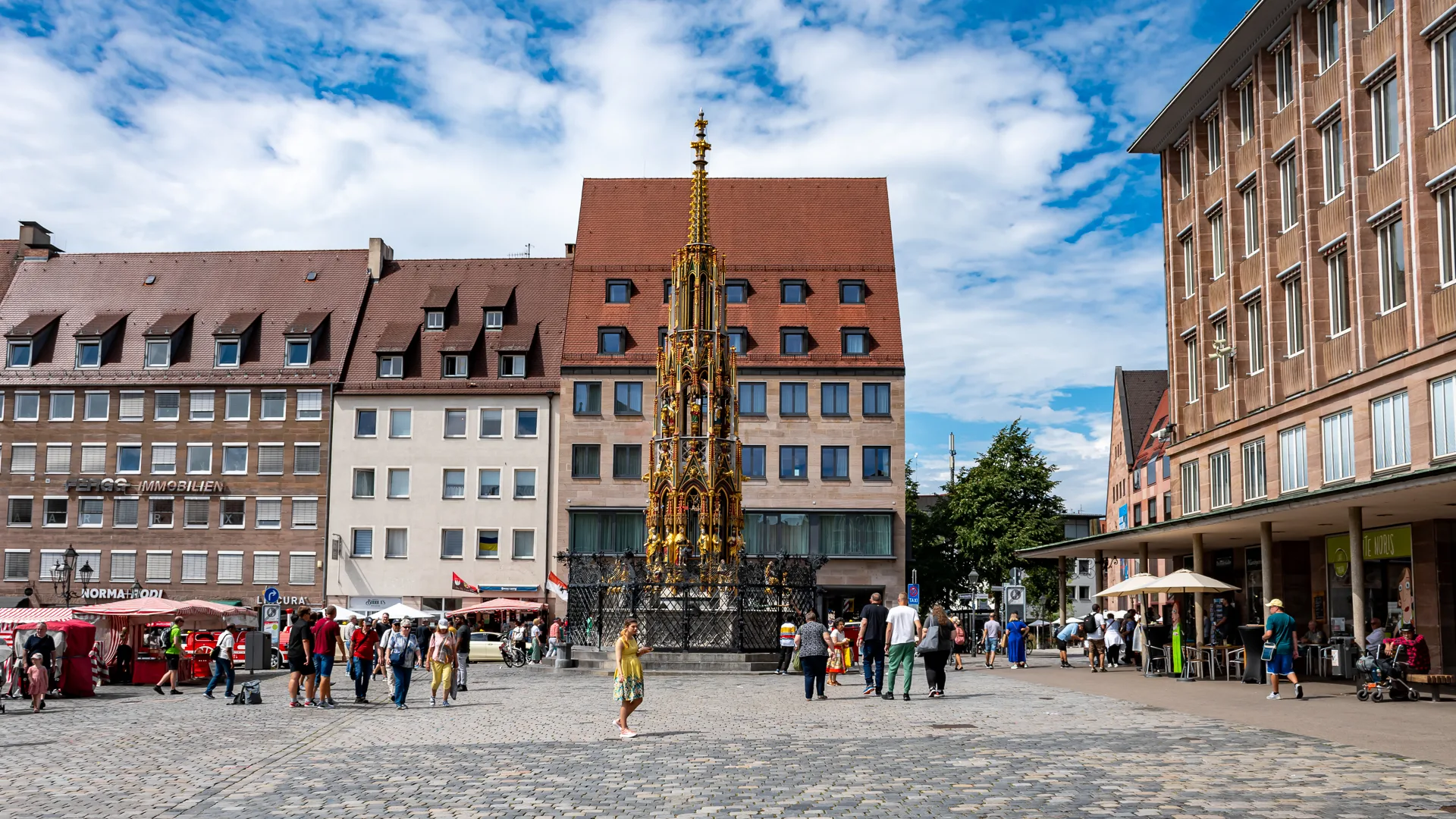
Schöner Brunnen
Schöner Brunnen
"Schöner Brunnen" means "Beautiful Fountain," and it is exactly that. The 19-meter-tall structure is located on Hauptmarkt, the Central Square, in Nuremberg. The fountain dates back to the 14th century and is in the Gothic style.
Nearby, on the Hauptmarkt, you will also find the Frauenkirche. Every winter, Hauptmarkt is the location of the Christkindlesmarkt, one of the largest and most famous Christmas markets in Germany.
Advertising
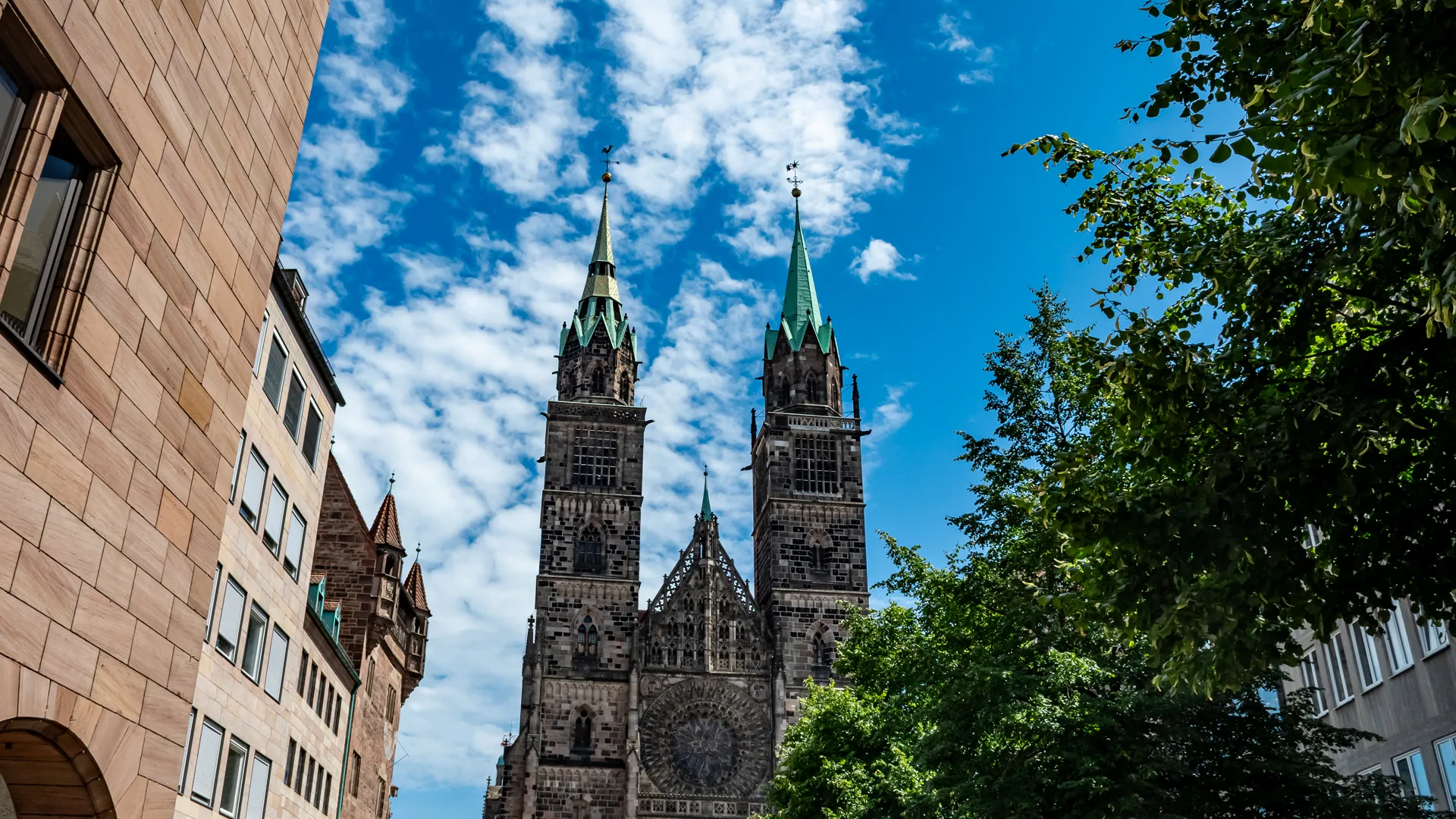
St. Lawrence Church
St. Lawrence Church
St. Lawrence Church, or Lorenzkirche as it is named on any signs and maps in the city, is an 80-meter-tall medieval 15th-century church in Nuremberg. Be aware of the opening times if you want to go inside and take a look, as they can differ from the listed times online. When I visited on a Saturday, it closed at 14:30, even though the official closing time is 17:00.
The church is located at the eastern end of Karolinenstraße, the main shopping street. It is also situated on Königstraße, which is the main thoroughfare from the Central Station to Nuremberg Castle, and walking along this street will take you past many of the main sights.
If you've traveled extensively throughout Europe and seen countless large, old churches, then I don't think this one will impress you more than any other. However, its location at the intersection of two major streets and the topography around it still make it a very worthwhile stop on your sightseeing trip.
Read More From WorldThroughMyCamera.com