Five Sights In The Center of Cape Town
Cape Town is one of the most scenic cities in the world. It should be on everyone's bucket list. The most famous sights are, however, all outside of the city center. The Table Mountain, the Cape of Good Hope, Robben Island, Boulder Beach, and the vineyard. These are all found far outside of walking distance from where you will likely live during your stay.
The good thing is that there are sights within the city center too. Here are five of the major sights that you can spend time visiting without leaving the city center and within walking distance from your hotel.
Advertising
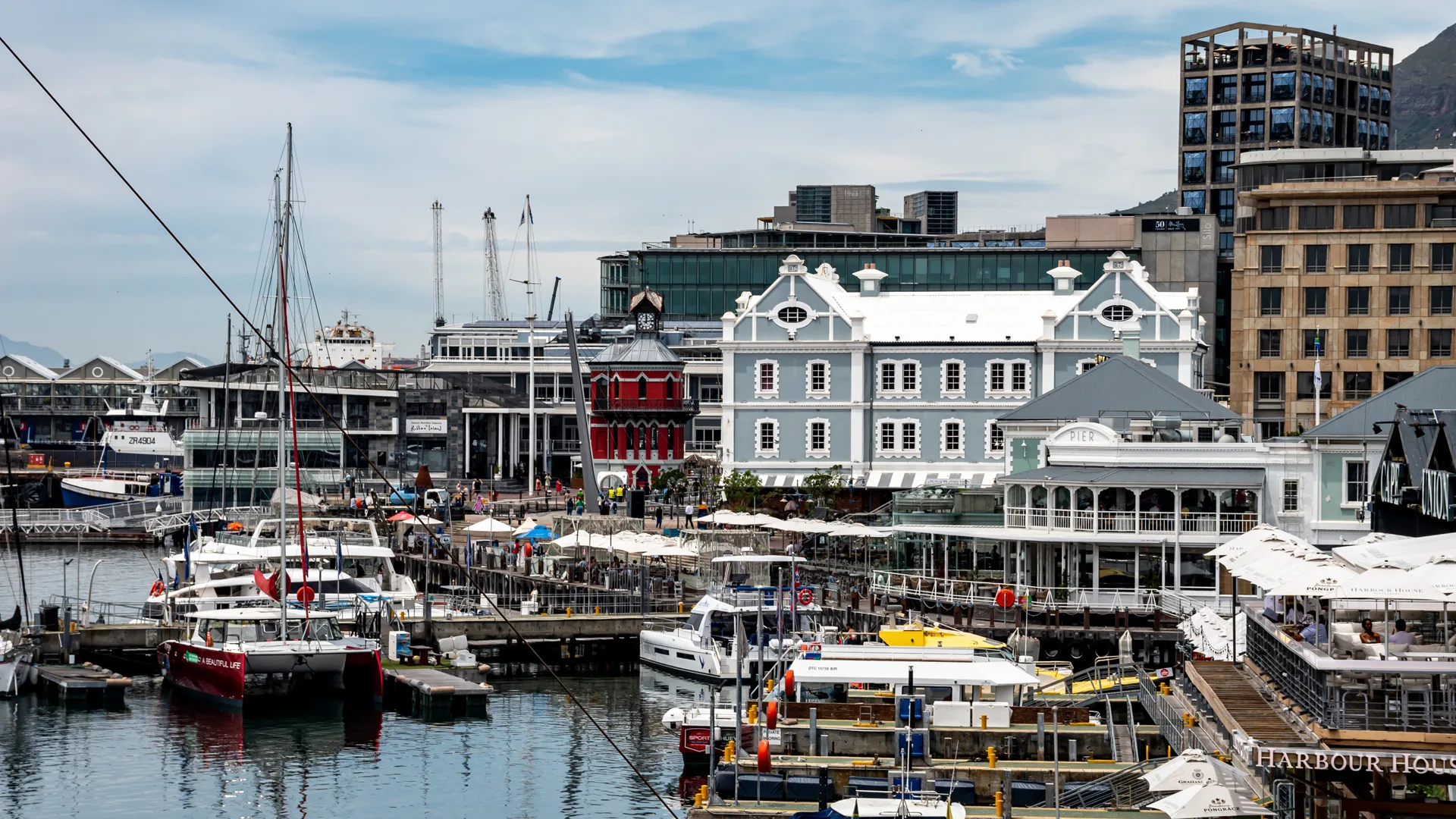
V&A Waterfront
 V&A Waterfront
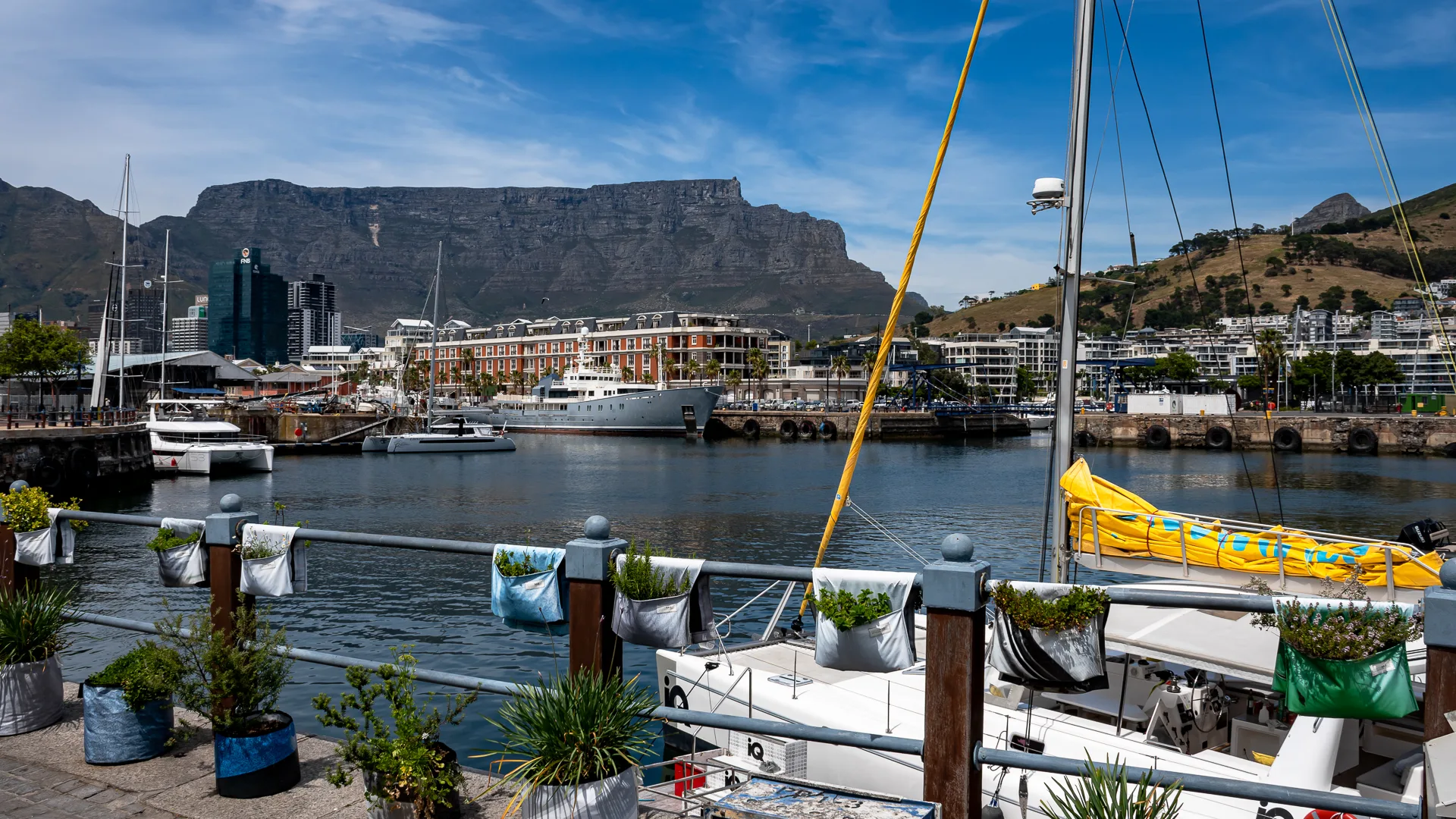
Named after Queen Victoria and her son, Prince Alfred, the V&A (Victoria & Alfred) Waterfront has evolved from a historic working harbor into one of South Africa's most visited attractions.
You can explore a wide range of retail options, from high-end designer stores to local artisanal shops selling handcrafted goods. The V&A Waterfront is also home to two major shopping centers, the Victoria Wharf Shopping Centre and the Watershed, which offer a vast selection of shops, restaurants, and entertainment venues. In addition to shopping, the V&A Waterfront offers a variety of dining options to suit every palate and budget. You can enjoy waterfront dining at one of the many restaurants and cafes, offering everything from fresh seafood to international cuisine. The food markets at the V&A Waterfront are also a popular attraction, featuring a wide range of gourmet delights and local delicacies.
Many of the day trips you can take from Cape Town depart from V&A Waterfront, such as the trips to Robben Island. In many ways, the V&A Waterfront resembles Pier 39 in San Francisco a lot. I actually thought Cape Town in general had many similarities to San Francisco.
Bo-Kaap
Bo-Kaap
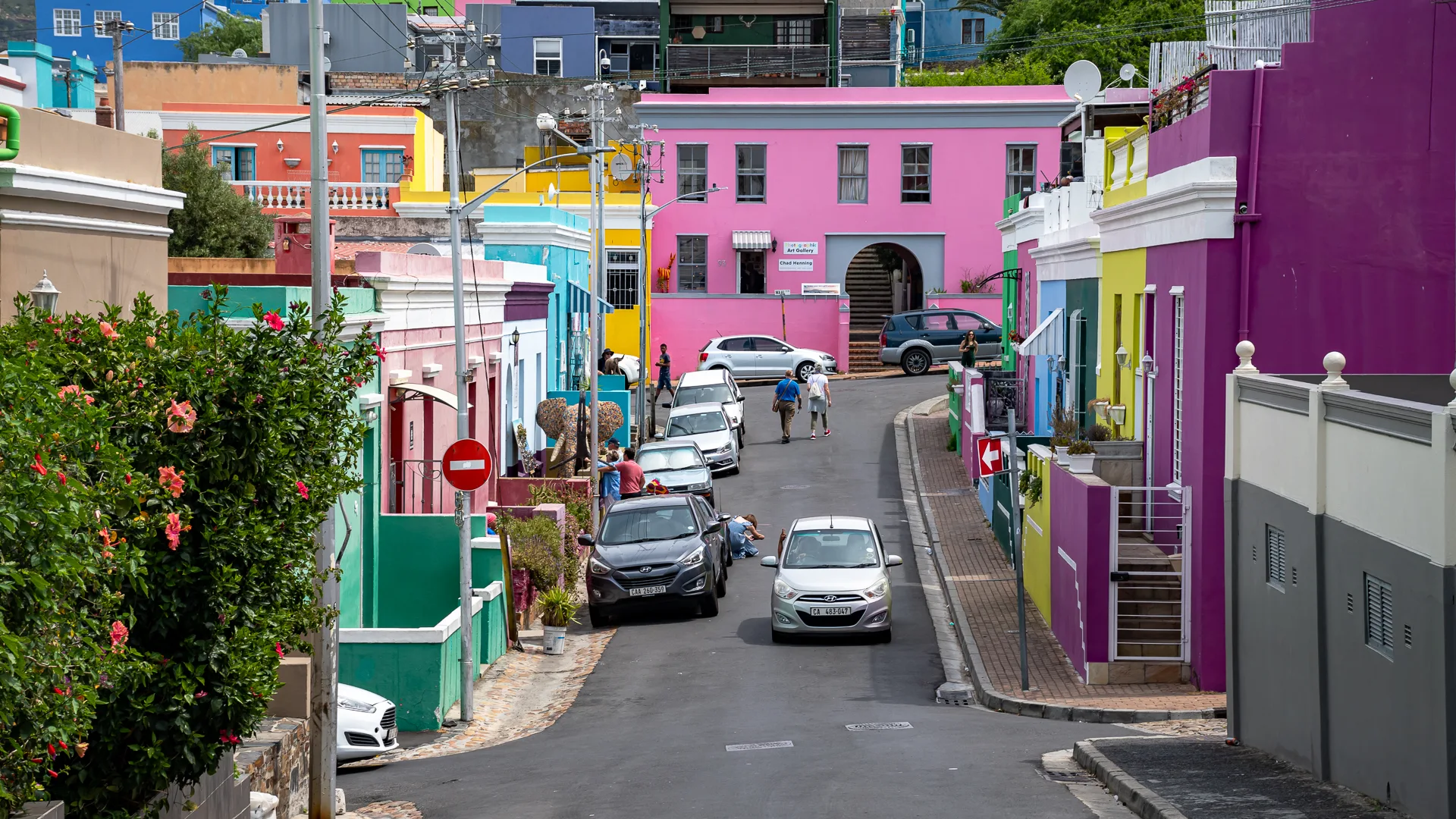
Bo-Kaap, situated on the slopes of Signal Hill, is a vibrant and culturally rich neighborhood known for its colorful houses, cobblestone streets, and Cape Malay heritage. Originally established as a township in the 18th century, Bo-Kaap is one of the oldest residential areas in Cape Town. The distinctiveness of Bo-Kaap lies in its rows of brightly painted houses, which create a picturesque and charming atmosphere. The tradition of painting the houses in vibrant colors dates back to the 19th century when former slaves, known as Cape Malays, were granted freedom and began to express their individuality and identity through colorful paintwork.
The Cape Malay culture is a fusion of Malaysian, Indonesian, and African influences. The neighborhood is still today home to a community of Cape Malay descent, who have preserved their unique language, cuisine, and traditions over generations. You can find traditional Cape Malay restaurants, spice shops, and local markets.
A trip to Cape Town is not complete without a visit to this area and it's one of the most distinct landmarks of the city.
Advertising
Long Street
Long Street
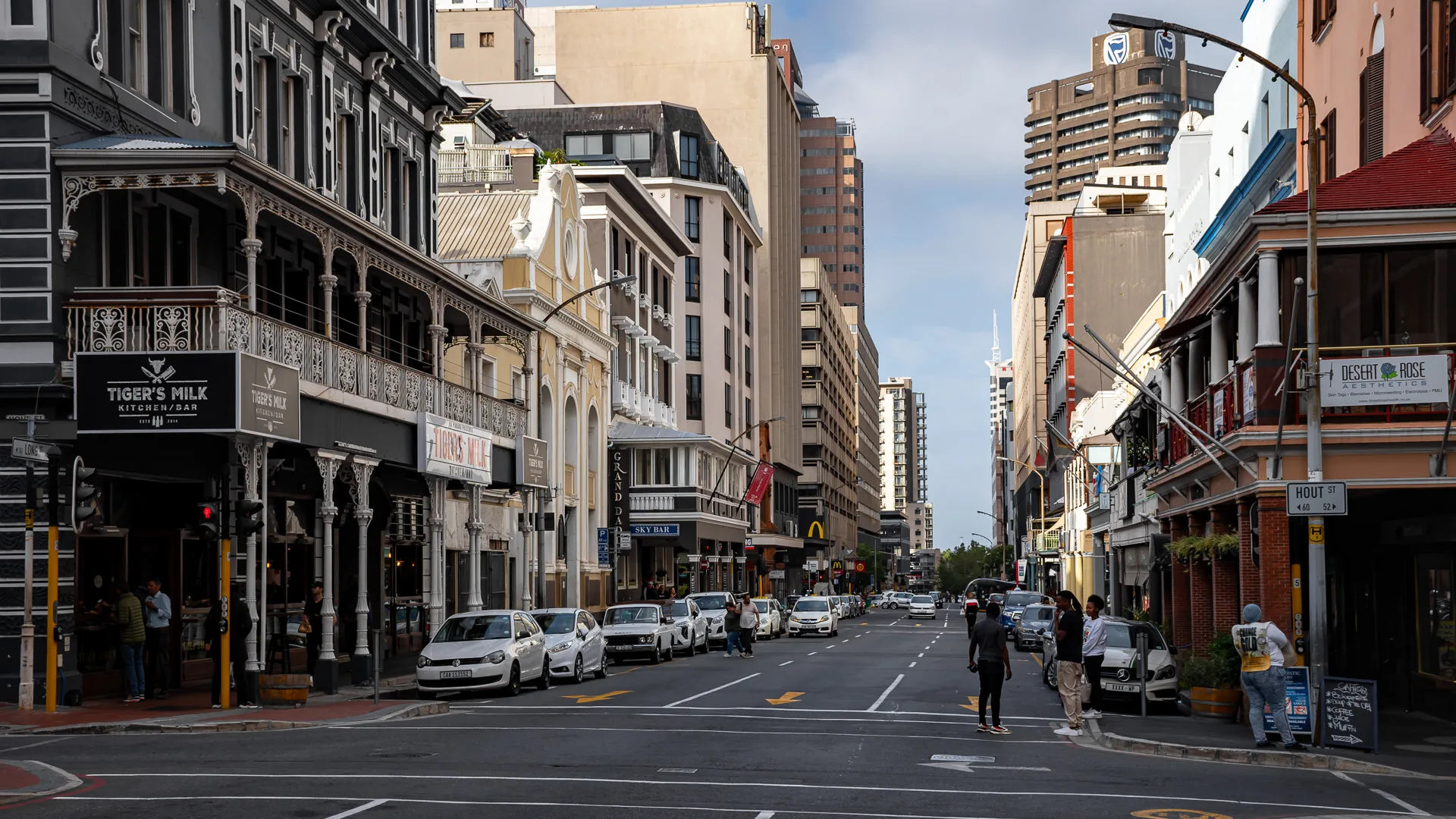
Long Street is the main street of Cape Town and a famous bar street. It's located conveniently in the absolute center of the city.
One of the defining characteristics of Long Street is its diverse range of shops and boutiques, offering everything from trendy fashion and local crafts to antique treasures and African artifacts. Long Street is also a culinary hotspot, with a wide variety of restaurants, cafes, and eateries to suit every taste and budget. From gourmet dining establishments serving international cuisine to casual cafes offering local favorites, Long Street offers a culinary adventure waiting to be explored.
But most importantly, it is known for the many bars and parties at night. As the sun sets, Long Street comes alive with a vibrant nightlife scene, offering a plethora of bars, clubs, and live music venues where visitors can dance the night away. Whether you're in the mood for cocktails, craft beer, or live entertainment, Long Street has something for everyone. The street is particularly popular among young locals and tourists looking to experience Cape Town's nightlife culture.
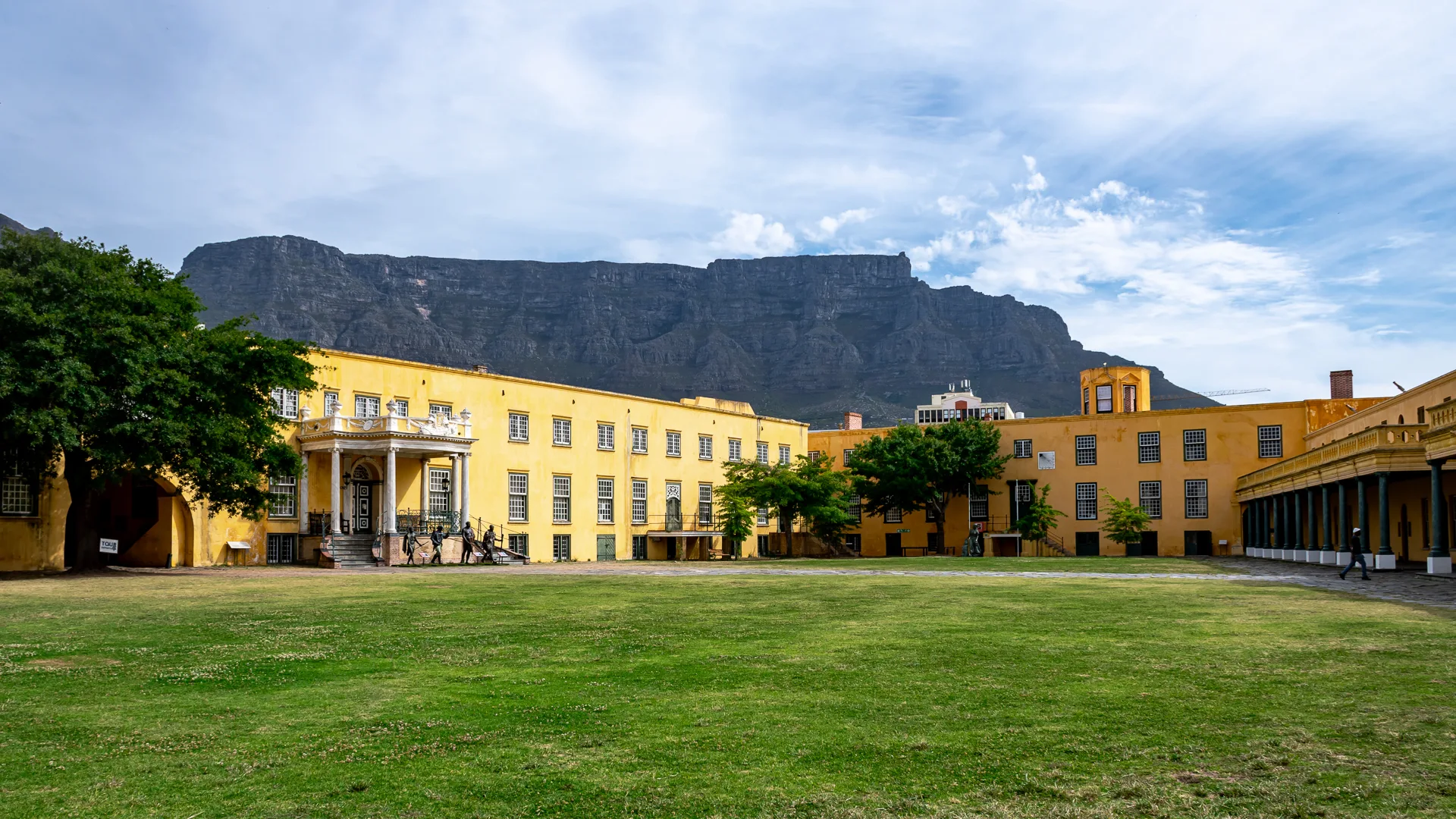
Castle of Good Hope
Castle of Good Hope
The Castle of Good Hope is a historic fortress that stands as one of the oldest buildings in South Africa. Built by the Dutch East India Company between 1666 and 1679, the castle served as a maritime replenishment station, fortress, and administrative center during the colonial period.
The architecture of the Castle of Good Hope is a fine example of Dutch colonial military design, featuring pentagonal bastions, thick walls, and a moat. The castle was strategically positioned to protect the Cape Colony from potential attacks by land and sea, and it played a crucial role in the early development of Cape Town as a settlement.
While visiting you will be able to explore the castle's well-preserved interior, which includes a series of exhibits and museums that offer insights into the colonial past of South Africa. One of the main attractions within the castle is the Castle Military Museum, which showcases a collection of weapons, uniforms, and military memorabilia dating back to the 17th century.
Advertising
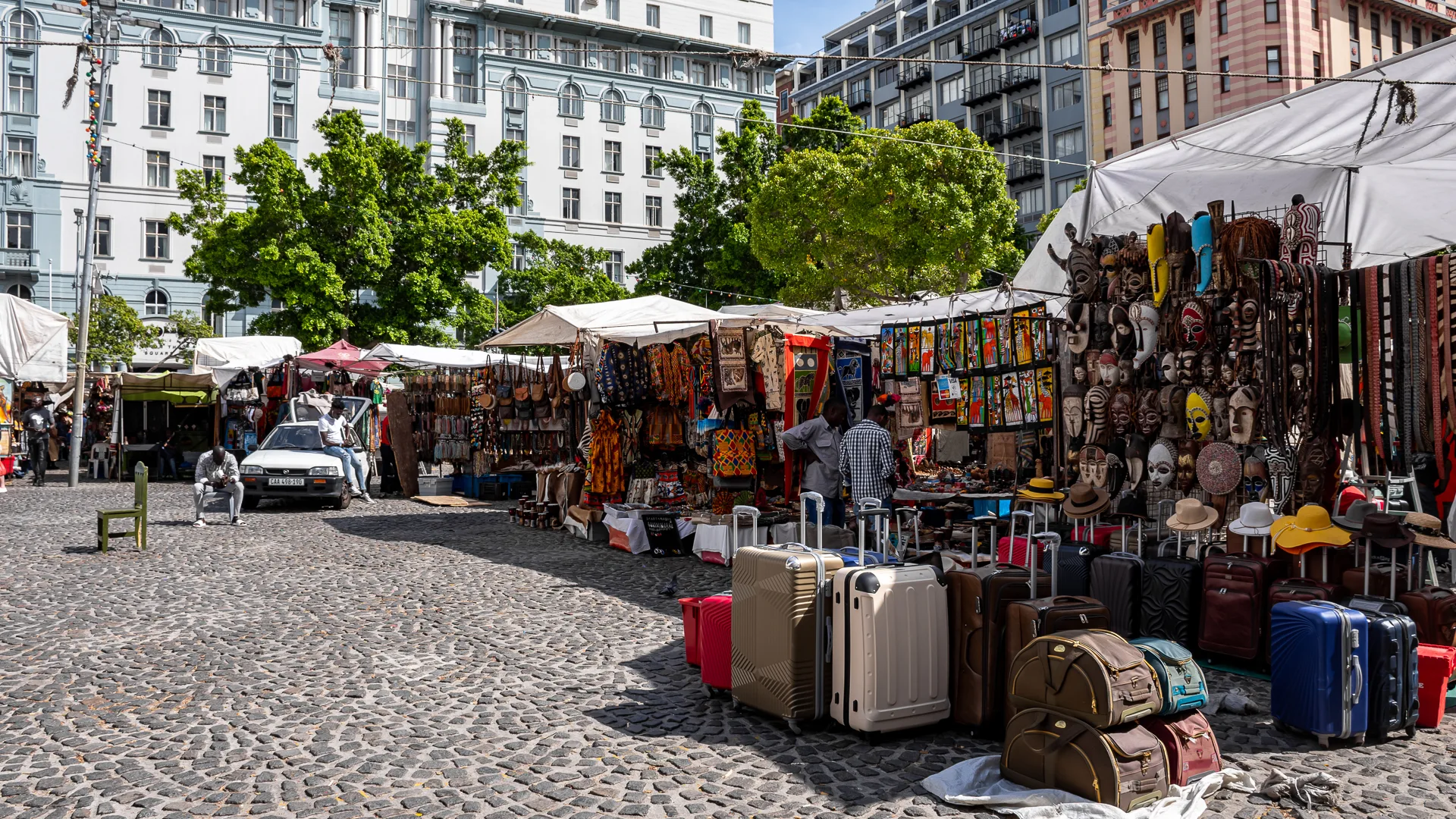
Greenmarket Square
Greenmarket Square
Who doesn't love a traditional and historic market while touring a new city? Greenmarket Square is one of Cape Town's oldest and most lively public spaces, located in the heart of the city center. Surrounded by beautiful architecture, it has been a focal point of trade, culture, and social activity for centuries.
Originally established as a market in the 18th century, Greenmarket Square has evolved into a vibrant hub where locals and tourists alike come to shop, dine, and soak up the atmosphere. The square is surrounded by picturesque buildings featuring Victorian and Edwardian architecture, which now house an array of shops, cafes, and restaurants.
In the middle of Greenmarket Square is the open-air market where vendors set up stalls selling a wide variety of goods. Visitors can browse through colorful displays of African crafts, including handcrafted jewelry, textiles, wooden carvings, beadwork, and artwork. The atmosphere was quite laid-back and it didn't feel like the vendors were too pressing and desperate, which often is the case at places like this.
Read More From WorldThroughMyCamera.com