How is Brunei as a Tourist Destination?
Brunei Darussalam stands as one of Southeast Asia’s most overlooked countries. Tucked away on the northern coast of Borneo, this small, wealthy sultanate often remains relatively anonymous to many travelers who explore the broader region. With visitor numbers that have shown gradual growth in recent years, reaching around seven hundred thousand international arrivals in a recent strong year marked by a notable thirteen percent increase, Brunei still attracts far fewer tourists than many of its Southeast Asian neighbors.
For context, this figure can be compared to the significantly higher volumes seen in countries such as Thailand, which regularly welcomes tens of millions of visitors annually. The sultanate continues to position itself as a destination that offers a distinctly different experience, one characterized by tranquility and cultural uniqueness rather than mass tourism.
What can someone expect from a visit to Brunei? The country is not positioned along the usual tourist routes that many travelers follow when moving through Southeast Asia. One has to go out of their way to reach Brunei. The airport is small and handles a modest volume of flights, while the distances from other major tourist spots in the region are considerable.
Travelers often need to arrange connections from nearby hubs such as Singapore or parts of the Philippines or Malaysian Borneo to make the journey feasible. This deliberate detour adds a layer of planning that may not suit every itinerary, yet it also contributes to the sense of stepping into a less commercialized corner of the continent.
Advertising

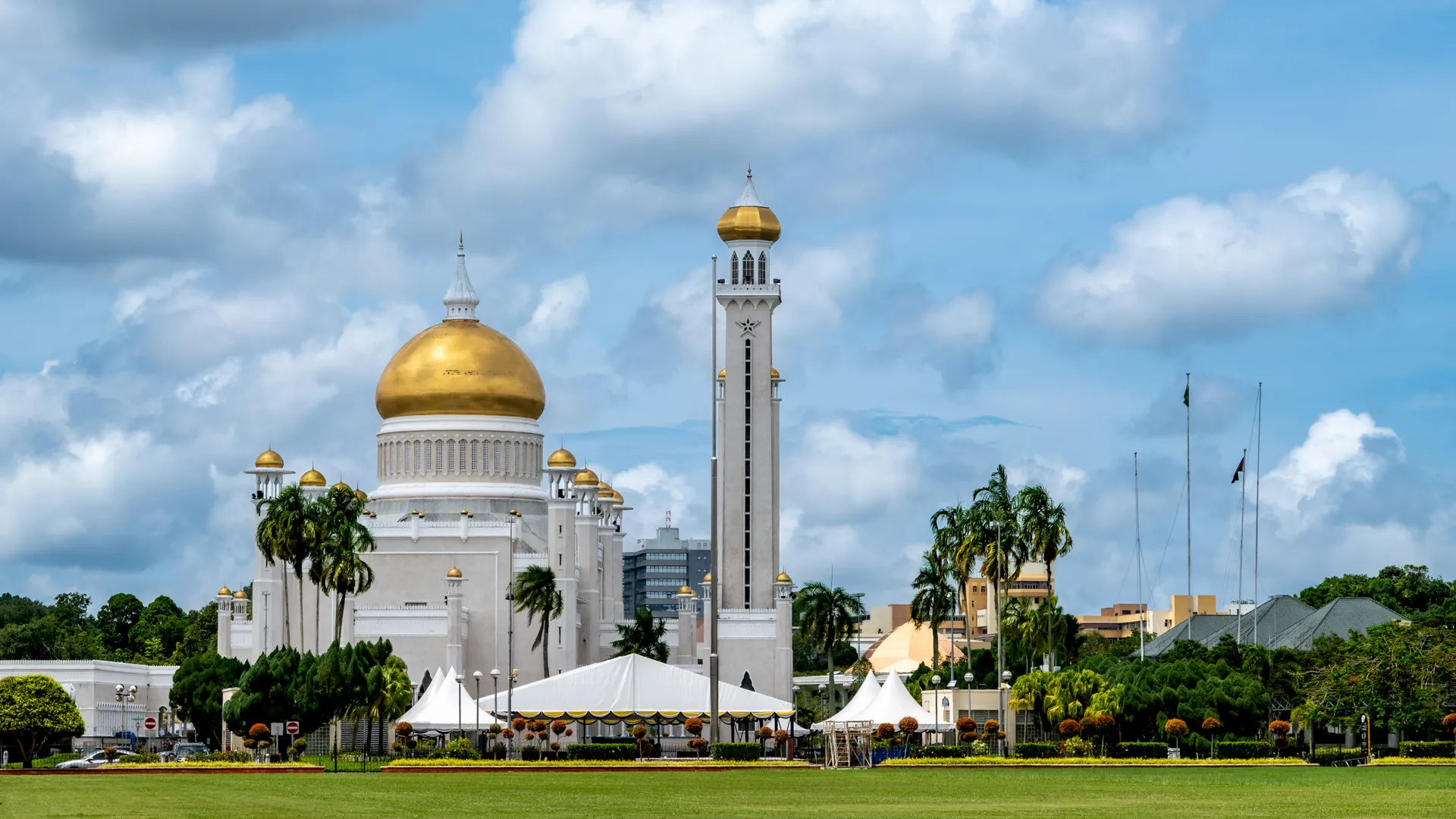
Omar Ali Saifuddien Mosque
Despite being very rich on paper through substantial oil and gas revenues that have sustained the nation’s economy for decades, the aesthetics of the country are not particularly affluent in many everyday areas. Much of Brunei appears rather poor and rundown in most residential and commercial districts outside the carefully maintained showcase sites in the capital. The contrast between the country’s considerable wealth and the modest, sometimes aging infrastructure visible to visitors creates a unique impression that lingers throughout a stay. Modern developments exist alongside older structures, resulting in a landscape that feels understated rather than ostentatious.
Two important aspects to know before visiting are that Brunei functions as a rather strict dictatorship under the long-reigning Sultan and that religion, specifically Islam, holds a central place in society. This religious influence is highly visible throughout daily life and shapes many aspects of public behavior and scheduling.
For example, everything closes on Fridays between twelve thirty and fourteen hundred hours for the weekly prayers. Streets become completely empty during this period as residents observe the religious obligation. Shopping malls close entirely, including their entrances, which can prove uncomfortable when one seeks shelter from the heat and humidity in air-conditioned spaces. Travelers should plan their activities carefully around these times to avoid inconvenience, especially during the hot and humid tropical climate that characterizes the region.
Advertising
When conducting research on Brunei, and possibly the reason this article has been found, it becomes apparent that there are not many compelling reasons to visit the country at first glance. There are no major tourist attractions on the scale of world-renowned landmarks found elsewhere in Southeast Asia. This observation holds true to a considerable extent.
Brunei can feel a little boring at times, particularly for those accustomed to the vibrant energy and constant stimulation of more developed tourist destinations. Nevertheless, this quiet atmosphere can be beneficial in its own way. If a traveler needs a few days to take things slower during a longer trip through the region, Brunei can serve as a suitable option for genuine relaxation and reflection away from crowded itineraries.
Bandar Seri Begawan, the capital city, resembles a small town rather than a lively Southeast Asian metropolis filled with bustling streets and nightlife. There is a main street and a rather small shopping center that together constitute much of what is available in the central downtown area. The pace of life here is noticeably slower, with fewer entertainment options and a more subdued urban environment that may appeal to those seeking calm but could disappoint visitors expecting constant activity.

Downtown Bandar Seri Begawan
The Omar Ali Saifuddien Mosque is a good-looking building with impressive architecture, including golden domes and elegant features that make it a prominent landmark. Visitors who are not Muslim are permitted to enter, albeit only in a small designated corner for a few meters under appropriate conditions and modest dress requirements. Still, in many other cities across the region, such a structure would represent only a minor local landmark and nothing more.
However, Kampong Ayer, the water village often described as the Venice of the East, stands out as very interesting and warrants a full day of tourism. This sprawling settlement, recognized as one of the world’s largest stilt villages, stretches across the Brunei River with thousands of wooden houses, schools, mosques, and even a fire station all built on stilts. A boat ride through its waterways allows visitors to observe daily life in this historic community that has existed for centuries, offering insights into traditional Bruneian living and a unique cultural experience that feels immersive and memorable.
The Regalia Museum is also very interesting and provides a deeper look into the nation’s heritage. The whole country functions somewhat like a personality cult centered on the Sultan, bearing some resemblance to North Korea in the prominent display of royal imagery, portraits, and ceremonial items throughout public spaces and institutions. Exhibits in the museum showcase the Sultan’s full royal regalia, including ceremonial swords, carriages, and items from jubilees and state occasions, creating an atmosphere that highlights the central role of the monarchy in Bruneian identity.
Advertising
This brings us back to the core issue. Brunei offers only a few things to do, even when accounting for additional sites such as the Jame’Asr Hassanil Bolkiah Mosque with its striking golden domes, the Istana Nurul Iman palace that can be viewed from a distance as the world’s largest residential palace, or opportunities for hiking in areas like Ulu Temburong National Park. One can cover the main highlights quite easily in a single day if moving quickly.
Most visitors would need two to three days to feel they have experienced the primary sights at a comfortable pace without rushing. After the third day, there is really not much left to explore in terms of new attractions or activities. The question then arises whether it is worth traveling this remotely for such a limited experience. If Brunei were not a sovereign state, the answer would likely be no for many travelers. Because it is a sovereign nation with a unique ruling sultanate that has maintained its independence and traditions, it provides a distinctly different vibe from neighboring destinations that often feel more homogenized by tourism development.
The people of Brunei are probably the most friendly in all of Southeast Asia and, by extension, among the friendliest in the world. This warmth, expressed through polite interactions, helpfulness toward visitors, and a genuine sense of hospitality, contributes significantly to the overall experience and often leaves a lasting positive impression that compensates for the scarcity of attractions.
Brunei is not recommended for those who must go completely out of their way to visit or who prioritize high-energy destinations with abundant entertainment. However, if it can be fitted conveniently into an itinerary and a good connection is available from nearby locations such as Singapore or the Philippines, it can offer a rewarding and enjoyable experience for those open to its quieter charms. It is advisable not to stay for more than three full days, as one may become bored beyond that point and find the days stretching with limited new discoveries.
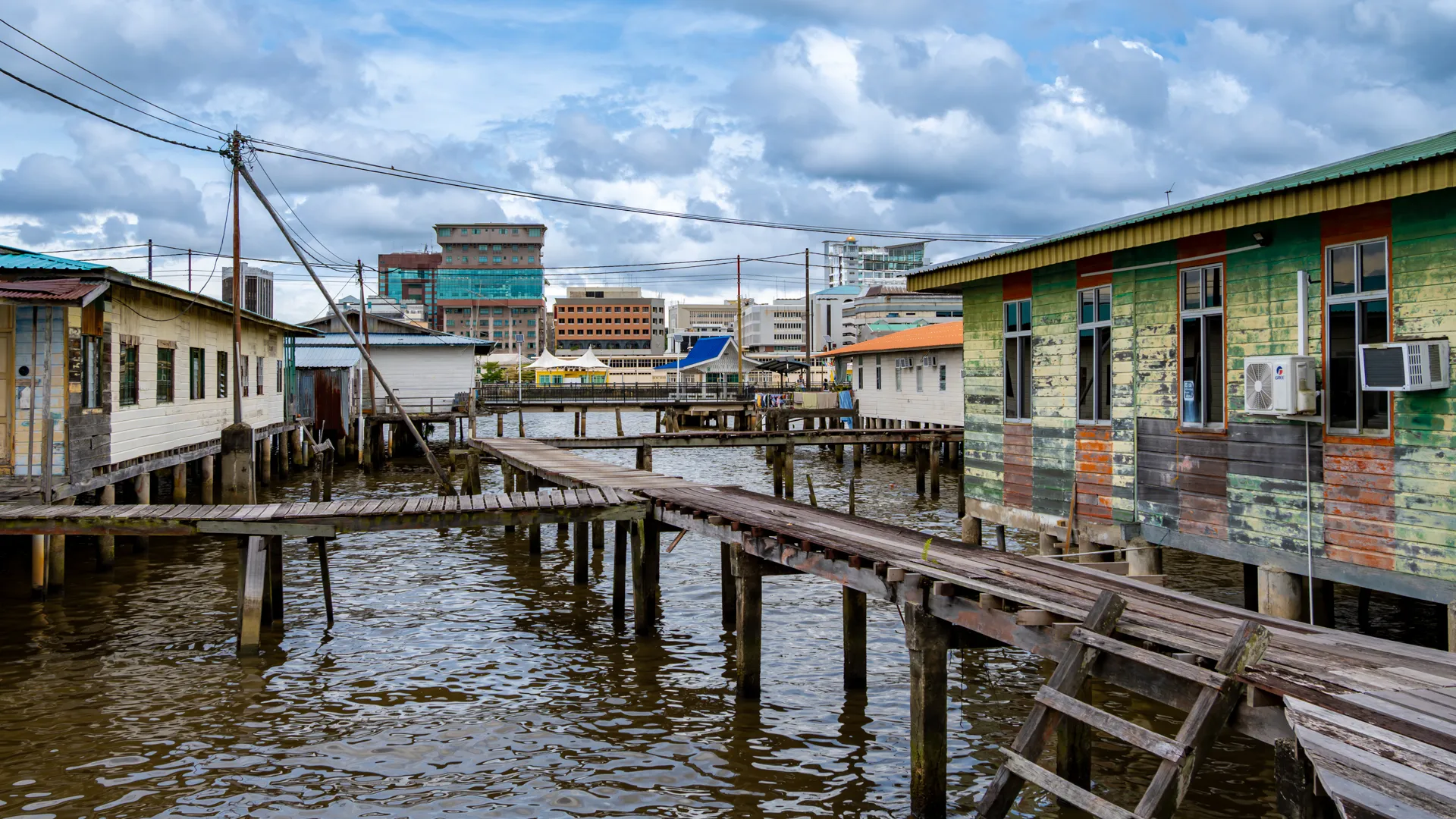
Kampong Ayer
Despite being a tropical country located near the equator with lush greenery and a warm climate year-round, Brunei does not feature major beach resorts or developed coastal tourism infrastructure. It is not that type of destination, and visitors should not expect the typical beach holiday with extensive resort facilities, water sports, or lively seaside scenes. Instead, one can engage in some hiking and forest tourism in protected natural areas that preserve pristine rainforest environments, though these activities remain relatively low-key and focused on nature appreciation rather than adventure tourism on a large scale.
Brunei is best suited as a short, curious side trip rather than a primary destination for most travelers. Those who appreciate off-the-beaten-path locations, value a calm and orderly atmosphere, and wish to experience a modern Islamic sultanate with its distinctive governance and cultural practices are likely to find the visit worthwhile. The combination of the fascinating water village, the elegant mosque architecture, the insightful museum exhibits, and the exceptionally friendly local population creates a subtle appeal that rewards measured expectations. The country remains one of Asia’s most intriguing hidden gems, small yet prosperous, conservative in its values, and quietly unique in a region increasingly shaped by mass tourism. For the right traveler seeking authenticity over excitement, a brief stay in Brunei can provide a refreshing and thought-provoking interlude in any Southeast Asian journey.


Read More From WorldThroughMyCamera.com