
How To Get From Mostar To Dubrovnik
Traveling through the Balkans offers some of the best experiences in Europe. It's a truly underrated part of the continent, filled with history, culture, and beautiful landscapes. Among the region’s most popular destinations are Dubrovnik in Croatia and Mostar in Bosnia & Herzegovina. These two cities are geographically close, only around 80 kilometers apart, yet getting from one to the other is not as simple as one might expect.
In planning my journey, I intended to travel from Sarajevo to Dubrovnik, passing through Mostar along the way and staying a night to explore the capital of the historic region of Herzegovina. This route not only made sense logistically but also allowed me to visit three of the most interesting cities in the western Balkans. Sarajevo, the capital of Bosnia & Herzegovina, is an excellent place to begin or end such a trip. Mostar offers a picturesque and compact city experience with a rich cultural heritage, while Dubrovnik impresses with its coastal charm and historical grandeur.
Advertising
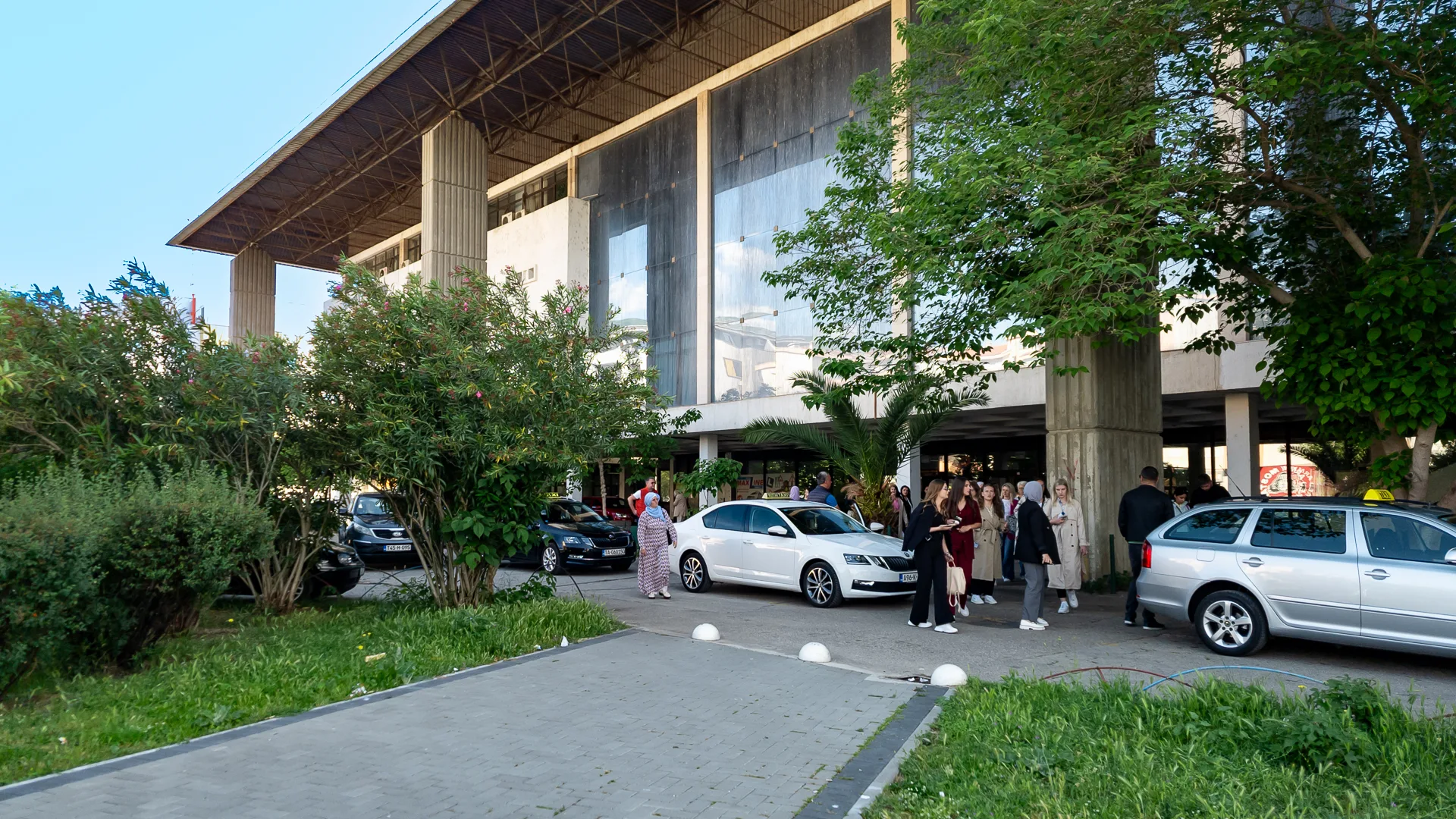
Mostar Railway & Bus Station, also known as Mostar Station East
The first leg of the journey, from Sarajevo to Mostar, is straightforward. This part of the route lies entirely within Bosnia & Herzegovina, making it simple to navigate. Both bus and train options are available. Each mode of transport takes about two hours, and both offer stunning views of the Bosnian countryside, especially as the route passes through the Neretva River Valley.
The complications arise when continuing from Mostar to Dubrovnik. Despite the short distance between the two cities, direct connections are surprisingly limited. This is primarily due to the lack of train infrastructure linking the two destinations. Dubrovnik, although a major tourist destination, has no railway station. This makes bus or car travel the only feasible options.
I researched multiple alternatives before settling on a method of travel. The available buses are the most straightforward option, though their frequency is not ideal. On the day I planned to travel, there were only three available departures, scheduled at 07:00, 10:15, and 12:30.
This limited schedule means travelers need to plan carefully, and the lack of an evening departure was a disappointment. If there had been a departure around 16:00 to 18:00, I could have stopped in Mostar just for the day, since the early train from Sarajevo arrives at 09:15, or the earliest bus at around 08:30.
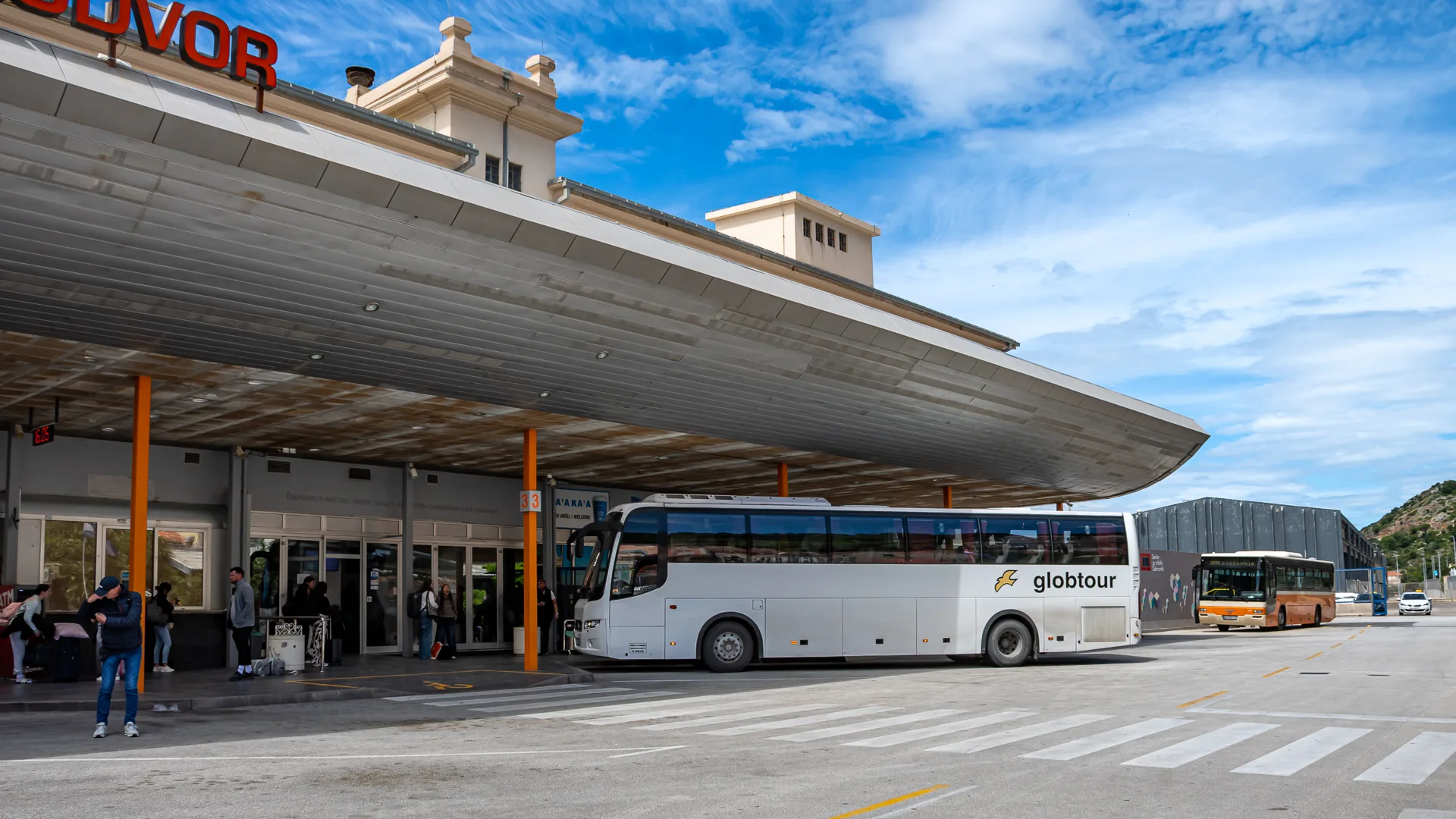
Dubrovnik Bus Station.
The direct bus journey between Mostar and Dubrovnik takes approximately 3 hours and 35 minutes. Given the short geographic distance, this might seem excessive, but there are several factors contributing to the long duration. These include international border checks, mountainous roads, and occasional delays.
Before committing to the bus, I explored alternative methods. One option was hiring a taxi. However, cross-border taxi travel in the Balkans presents challenges. Not all drivers are willing or authorized to drive across national borders, and those who are typically charge a premium. The cost would have been significantly higher than any public transport option, and I found it difficult to confirm availability or pricing in advance.
I also considered joining a guided day trip. Since Mostar is a popular excursion for tourists based in Dubrovnik, I thought it might be possible to reverse-engineer this option. However, organized tours are often designed for round trips, not one-way transport. Additionally, these tours operate on fixed schedules, typically include guided commentary, and may not offer the flexibility I wanted. Prices were also considerably higher, and the logistics of arranging a one-way spot on a tour proved too uncertain.
Ultimately, the best option was the bus. I chose the 07:00 departure in order to maximize my time in Dubrovnik upon arrival. The ticket cost around $20, which I consider fair for the distance and complexity of the route. I purchased the ticket through Flixbus, which is a well-known international booking platform. However, it is important to note that Flixbus does not operate all its listed routes directly. In my case, the journey was operated by Croatia Bus, which had further subcontracted it to a company called Globtour.
Advertising
This multi-layered arrangement created some confusion. The ticket issued by Flixbus indicated specific information, including border crossings, a transfer stop, and a designated bus bay at Mostar’s station. In reality, many of these details were inaccurate.
According to the booking, the route would include three separate border crossings. This is because the road between Mostar and Dubrovnik traditionally passes through the Bosnian coastal town of Neum, requiring travelers to leave Bosnia and enter Croatia, only to re-enter Bosnia at Neum, and then finally cross back into Croatia on the way to Dubrovnik.
In practice, however, our bus followed a different path. Instead of heading to the Croatian border at Metković, the driver opted for an alternative route that stayed within Bosnia longer. We traveled from Čapljina via the smaller town of Stolac and only entered Croatia after Neum. This significantly sped up the journey and reduced potential delays.
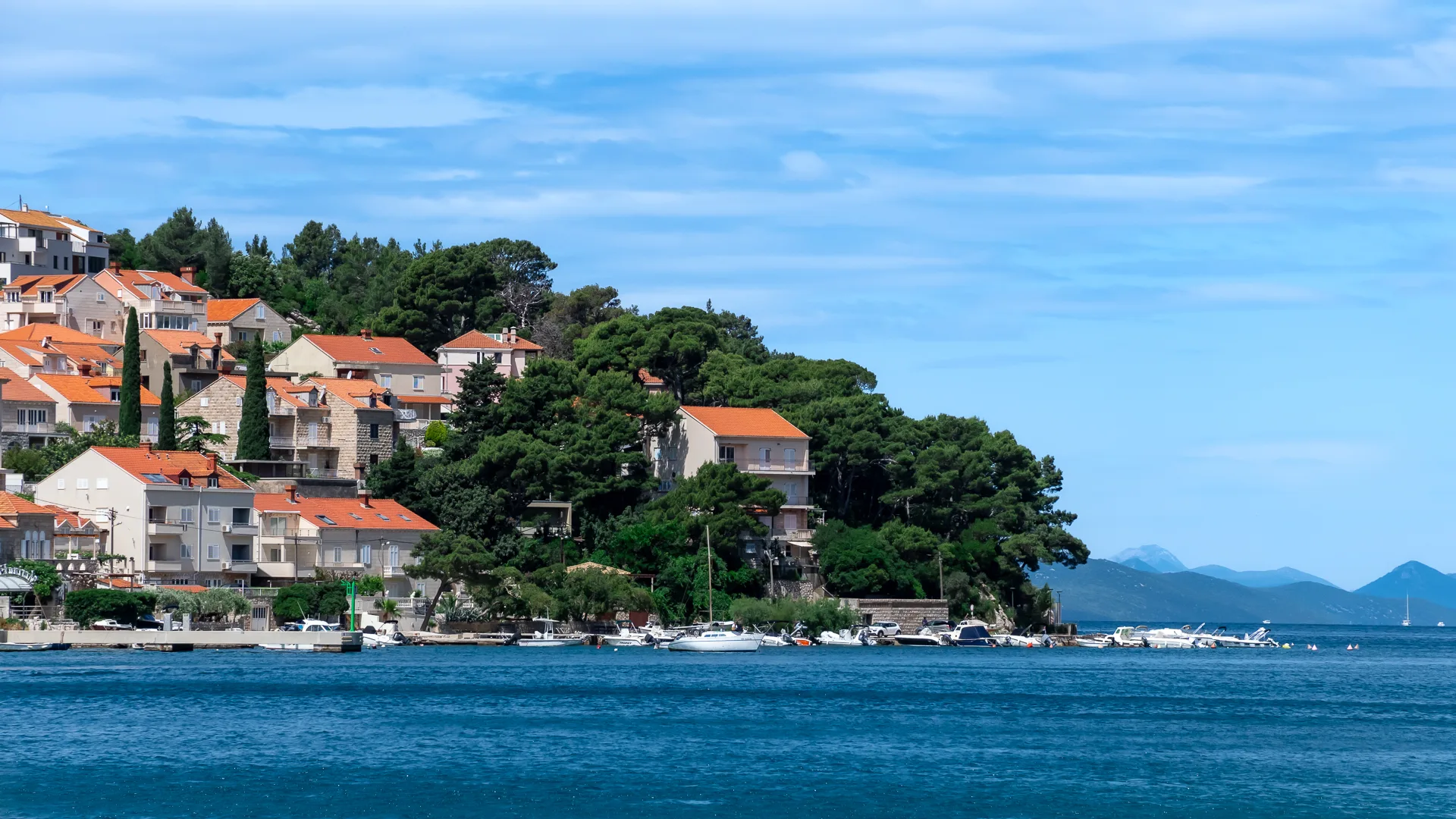
If you walk from the bus station in Dubrovnik into the Old Town you can enjoy views like this.
The discrepancy between the official itinerary and the actual journey continued beyond the route. The Flixbus itinerary listed a 50-minute layover in Neum with a required bus change. This turned out to be false. We stopped in Neum for only two minutes and remained on the same bus the entire time. There was no connection or bus change at all.
In addition to these deviations, the driver took a 30-minute unscheduled break on a rural road near Stolac. While initially surprising, it did not impact the overall travel time significantly. In fact, despite several delays, including a 40-minute late departure from Mostar and a brief stop due to a passenger feeling unwell, we arrived in Dubrovnik almost exactly on schedule.
One important detail for travelers to be aware of is the departure point in Mostar. My ticket specified a particular bus bay within the main bus terminal. However, the actual departure occurred outside the terminal, near an old gas station.
There were no signs or announcements indicating this. Luckily, a few of us waiting for the same bus were able to confirm the departure point in advance through local inquiries. I even saw one traveler running to catch the bus after it had already departed, as he had been waiting inside the station based on the instructions on his ticket.
Advertising
My advice is to arrive at the station early and not to rely solely on the information provided on your booking. Confirm departure details with the bus station staff or with other travelers if possible.
The bus itself was functional but clearly aged. It was likely over 20 years old. While not particularly comfortable or modern, it was adequate for the journey. There were no major issues with cleanliness or maintenance, but travelers accustomed to Western European standards should adjust their expectations accordingly.
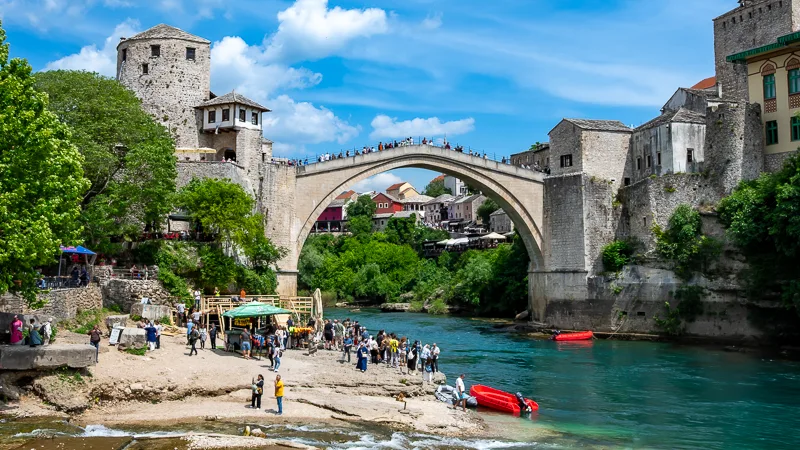
Mostar and Dubrovnik complement each other well for a short road trip. Mostar is compact and can be thoroughly explored in a single day. The Old Bridge (Stari Most), the historic bazaar, and the small but moving war memorials make for a rich and memorable visit.
Dubrovnik, while more expansive, does not require more than two full days to experience its highlights. Exploring the Old Town and chasing views are what you will spend your time there doing. Dubrovnik is a very small town, with only about 30,000 inhabitants.
If time allows, adding Sarajevo to your itinerary is highly recommended. The capital offers deeper cultural immersion, a mix of architectural styles, and profound historical context. I suggest spending at least three days in Sarajevo to properly appreciate its unique atmosphere. Two days would be the minimum, but more time allows for a more relaxed and rewarding experience.
Traveling from Mostar to Dubrovnik may not be the simplest journey, but it is entirely doable with proper planning and a flexible mindset. The bus remains the most reliable option, even if inconsistencies in booking information and deviations from scheduled routes are common.
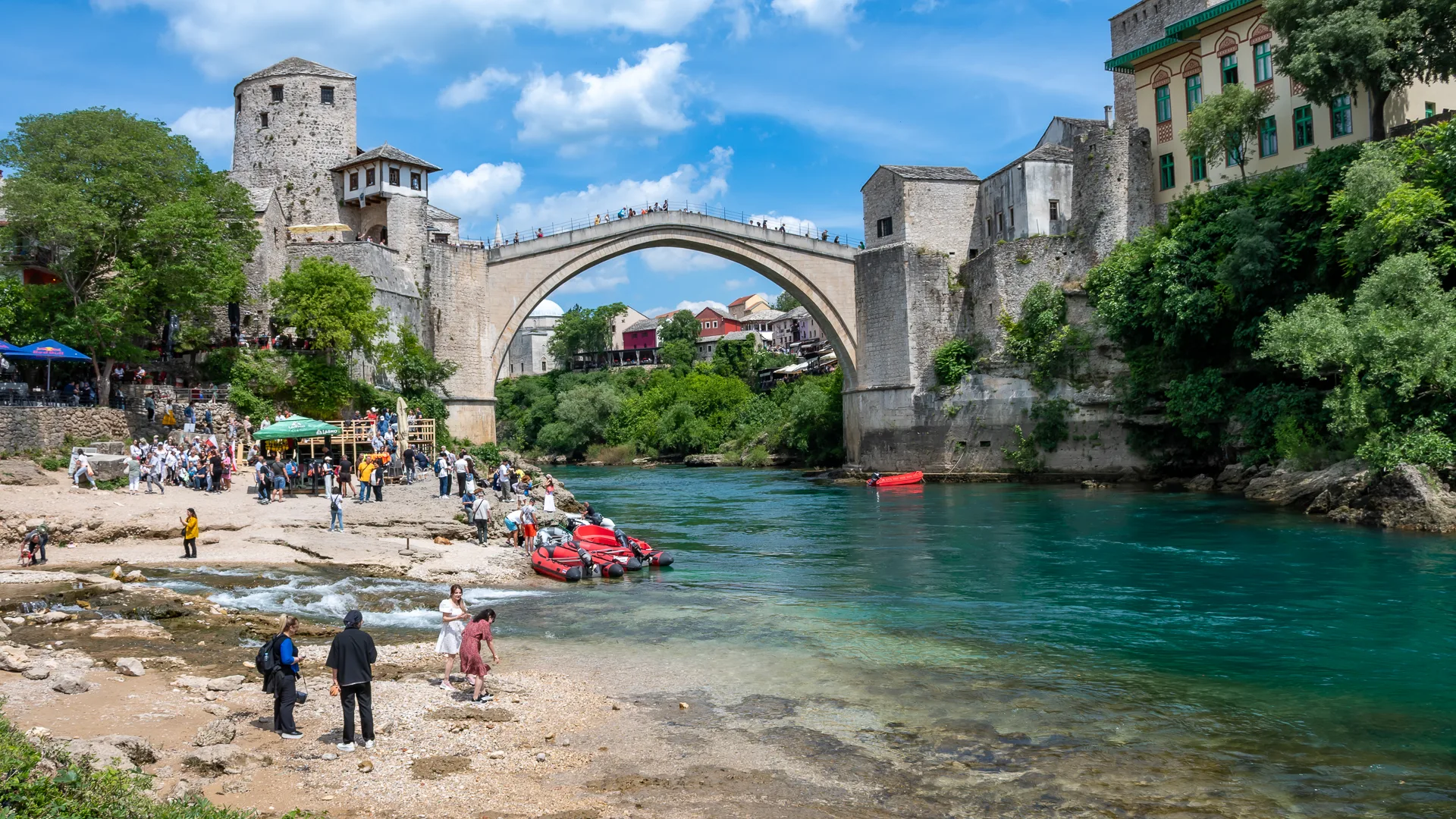
Stari Most (Old Bridge) in Mostar
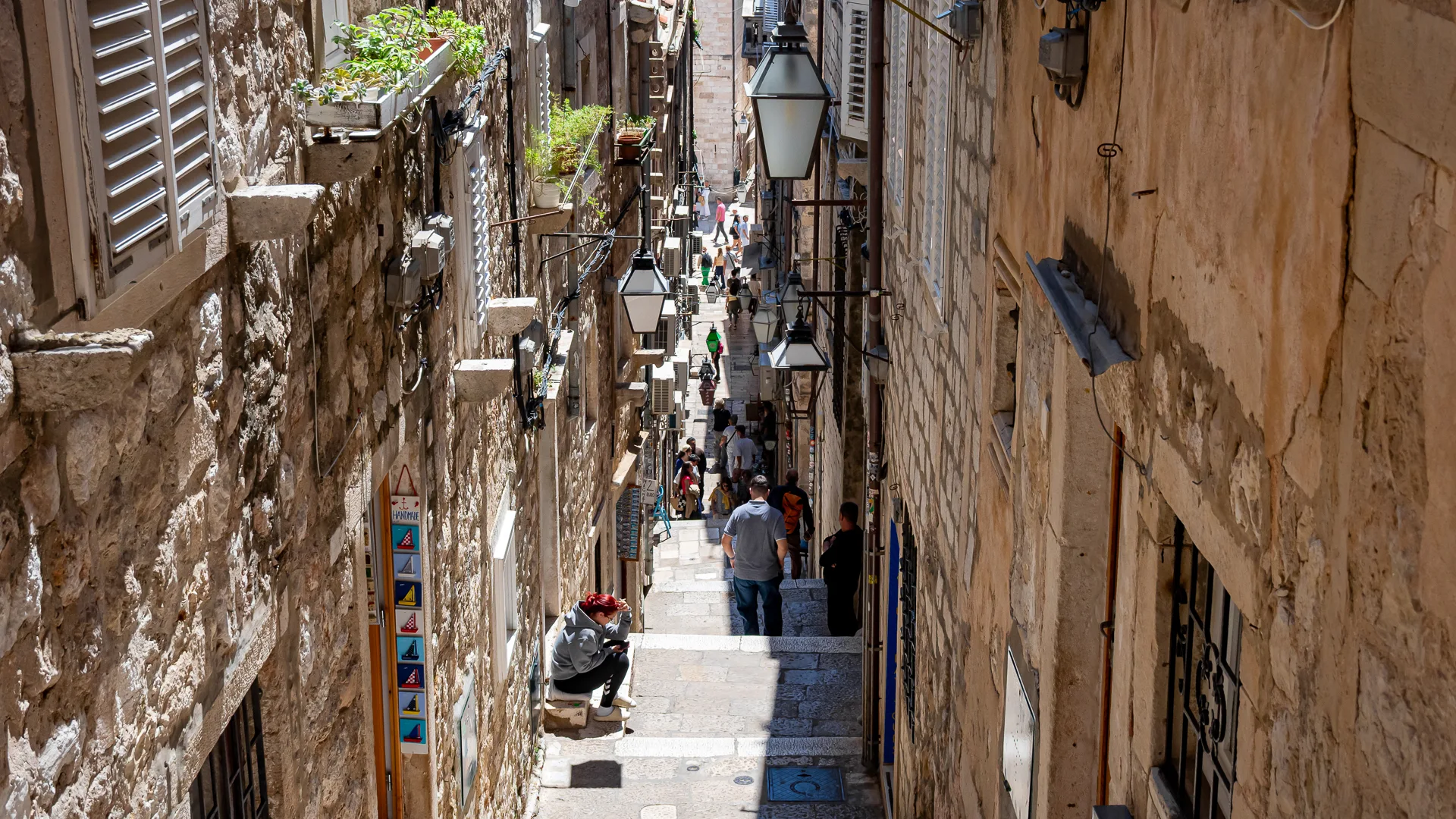
The narrow streets of Dubrovnik

Read More From WorldThroughMyCamera.com