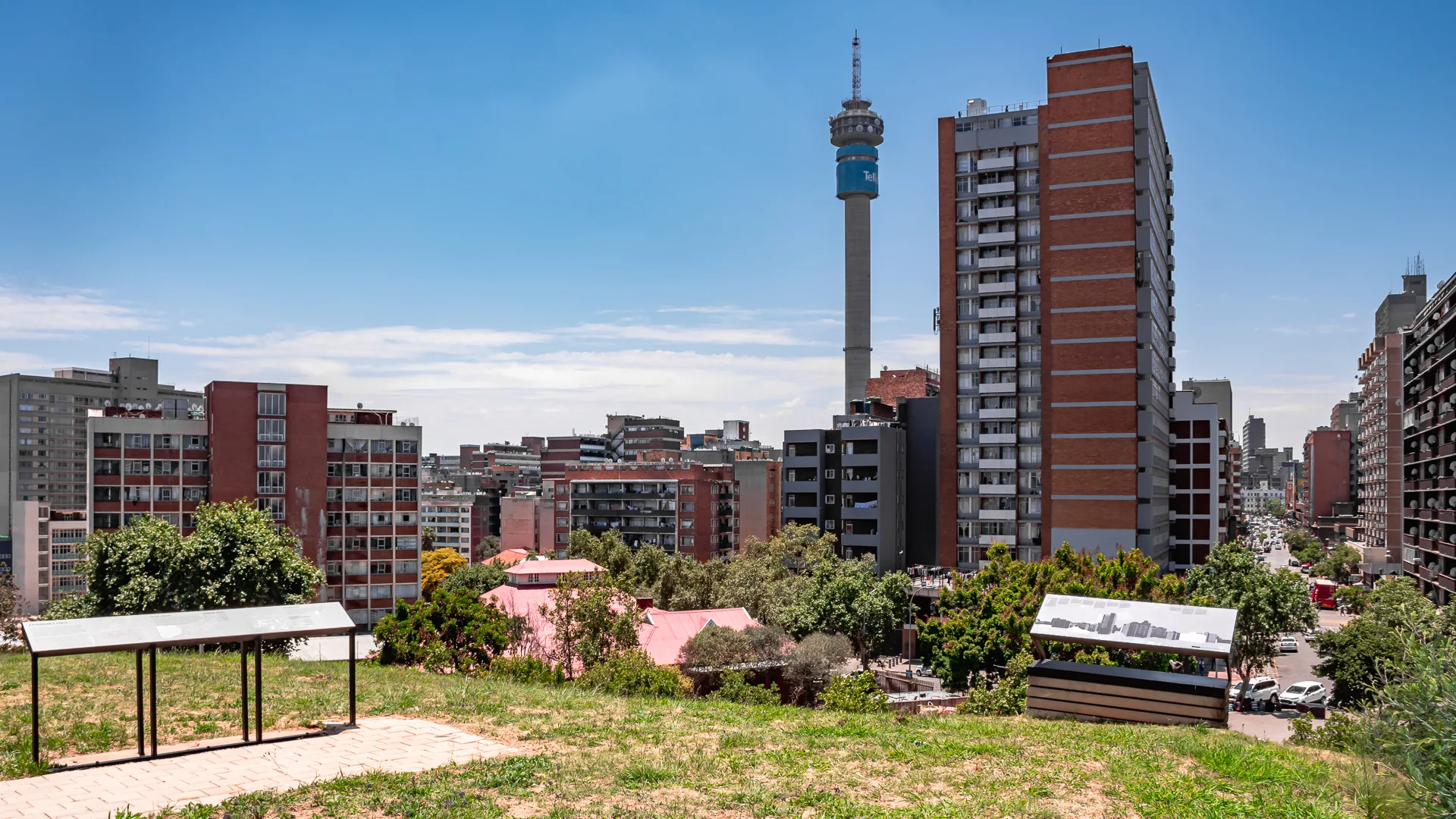
Is It As Bad As They Say In Johannesburg?
When trying to determine if a destination is safe or if extra precautions are needed beyond the usual ones you should always take while traveling, regardless of where you are, it can be difficult to distinguish between common sense and excessive, often unnecessary, caution. Every city has good and bad areas, but what is relevant from a tourist’s perspective is the safety of the places they are likely to visit.
I have been to several places where travel guides warned that it was extremely dangerous. They advised against going out after dark, using a phone in public, or even suggested bringing a secondary phone. That was the case for Rio de Janeiro, for example. However, when I visited, the tourist areas felt just as safe as any other city I have been to. I never felt threatened or unsafe.
Then we have Johannesburg...
Advertising
Johannesburg is the first city I have visited where the reality was exactly as bad as the warnings suggested. Nowhere in Johannesburg felt completely safe, except for indoor or enclosed areas such as inside the Sandton Shopping Center. Even just outside that mall, which is supposedly the center of the most affluent area in Africa, it felt unsafe and unpleasant to walk through, even in broad daylight.
Sandton was actually one of the biggest disappointments. For being the wealthiest area in Africa, it still had groups of men loitering around and the same general tense and unclean environment as elsewhere. At least in Cape Town, there were some areas that felt like true oases of safety.
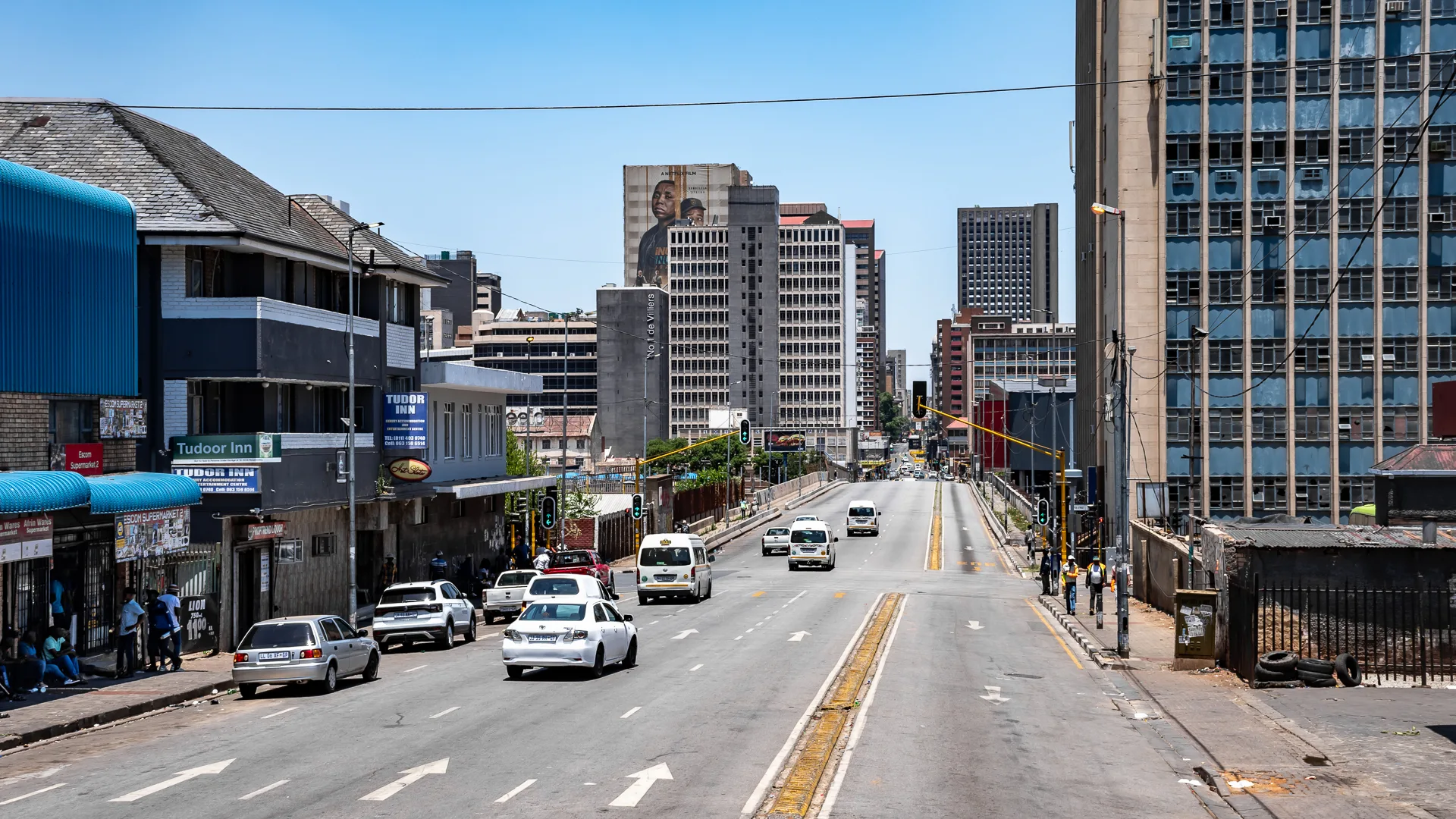
Downtown Johannesburg
Downtown Johannesburg was a place where I had no desire to spend time at street level. Normally, that is exactly where I want to be when exploring a city. It was the first, and so far only, time I resorted to using a tour bus to see a city. It simply was not safe to walk around with a camera there. It is worth noting that I had no problem doing so in other cities in the Southern African region.
I explored Maputo, Mozambique, with my camera always ready to take pictures. I loved Maputo for street photography. Cape Town, while not completely safe in most areas, still allowed me to use my camera at street level during the day. In Gaborone, Botswana, safety was not much of an issue in most places. In other words, I am familiar with the environment and the region.
At Rosebank Mall, a shopping center I visited, there were warning signs about robberies on the short twenty-meter walk from the metro to the entrance. I wanted to walk just thirty meters from my hotel to a McDonald's on the same block and on the same side of the street. The hotel staff strongly advised against it. They said that just the day before, another guest had been robbed on that same walk.
Rosebank Mall is also where I took the City Sightseeing Johannesburg tour bus. You can get there via the metro system from locations like O.R. Tambo International Airport, Sandton, or Downtown at Park Station.
Advertising
Soweto, which stands for South Western Townships, is the most famous township in Johannesburg. In South Africa, the word township refers to a ghetto, shantytown, or favela. It is not as dangerous as one might assume. It is not a place where you can wander aimlessly, but it is also not a place to avoid entirely. There are areas in Soweto with a strong tourist presence.
I would not recommend going there alone. That is not because Soweto itself is inherently unsafe, but because Johannesburg as a whole is so dangerous that neither public transportation, aside from the metro, nor taxis and Ubers are fully safe options. It is best to go with a trusted local or on a tour. Visiting Soweto is not what I would consider dark tourism or poverty tourism. Some of Johannesburg’s most important landmarks are located there.
The graffiti-covered Orlando Towers, which are the cooling towers of the decommissioned Orlando Power Station, have become a symbol of the area. Vilakazi Street is possibly the only street in the world to have housed two Nobel Laureates, Nelson Mandela and Desmond Tutu. Mandela’s former residence is open to the public, while Tutu’s home, located nearby, is not. Another landmark is the Hector Pieterson Memorial, which commemorates the 1976 anti-apartheid Soweto Uprising.
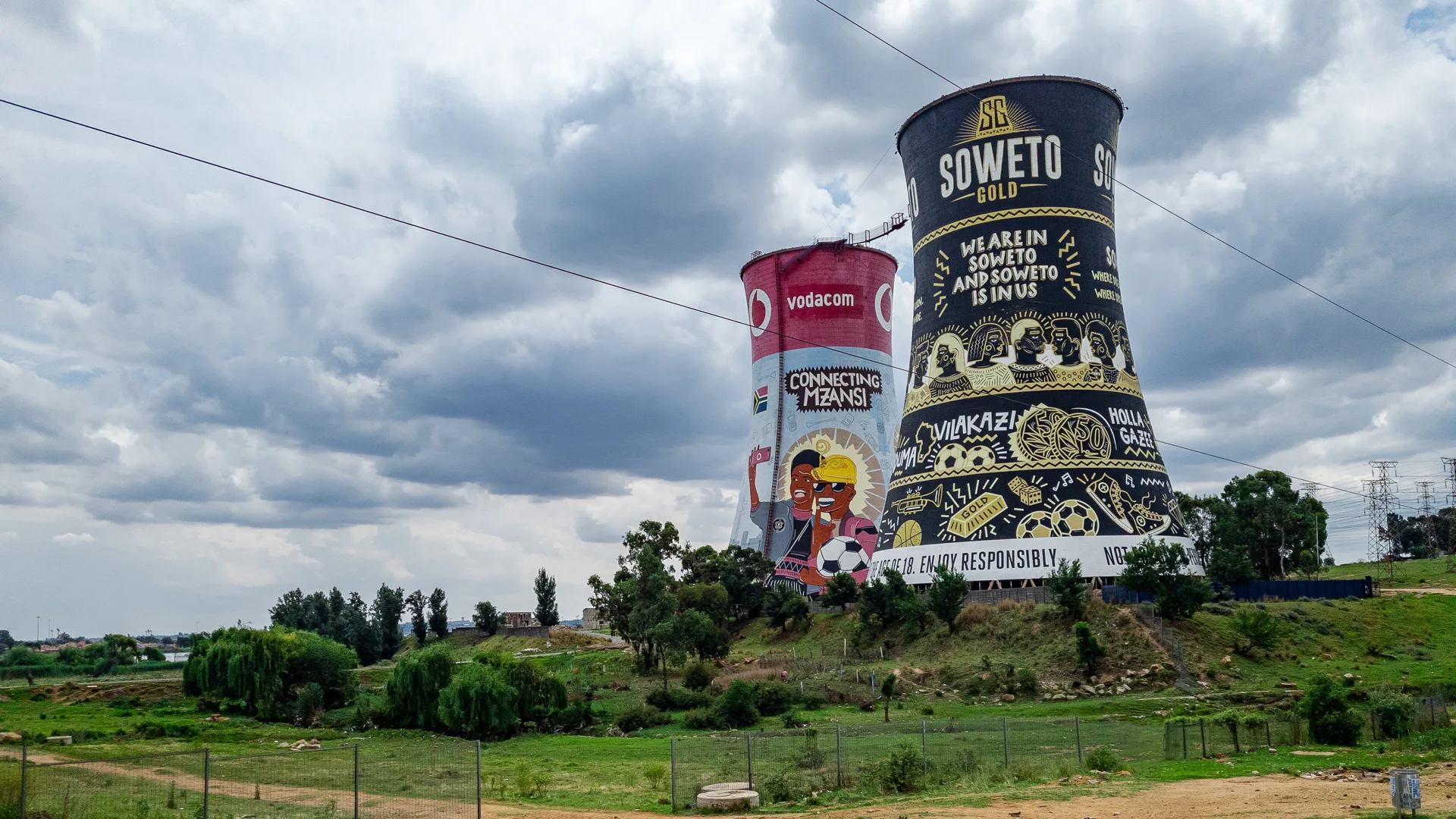
Soweto
The metro system, called Gautrain, has ten stations and is the only safe transportation option in the city. I liked those trains, especially since I stayed near the airport, which made traveling into the city much easier. You can also get from Johannesburg to Pretoria in 35 minutes on the Gautrain.
I used Uber quite a lot in Johannesburg, despite warnings from locals about frequent robberies and kidnappings. Even some Uber drivers spoke about how these incidents damaged their reputation. Since I was traveling with a friend, the risk was lower, but I am not sure I would have taken an Uber or taxi alone in Johannesburg. That is something I have done in many other cities around the world without a second thought.
There are, of course, good areas too, but they are all upscale residential neighborhoods. Most of them are gated communities, and as a tourist with no business there, you would likely never visit those areas.
Despite all this, I do not regret spending a few days in Johannesburg, and I would even consider going back. The city has history, interesting sights, and several great museums. However, the Apartheid Museum was the only one I had time to visit.
From a safety perspective, Johannesburg is by far the most dangerous city I have visited. That is unfortunate because it has potential. If they could clean up the streets and address the safety issues, Johannesburg could be a great city to visit.
To answer the initial question, Johannesburg is just as bad as everyone says.

Read More From WorldThroughMyCamera.com