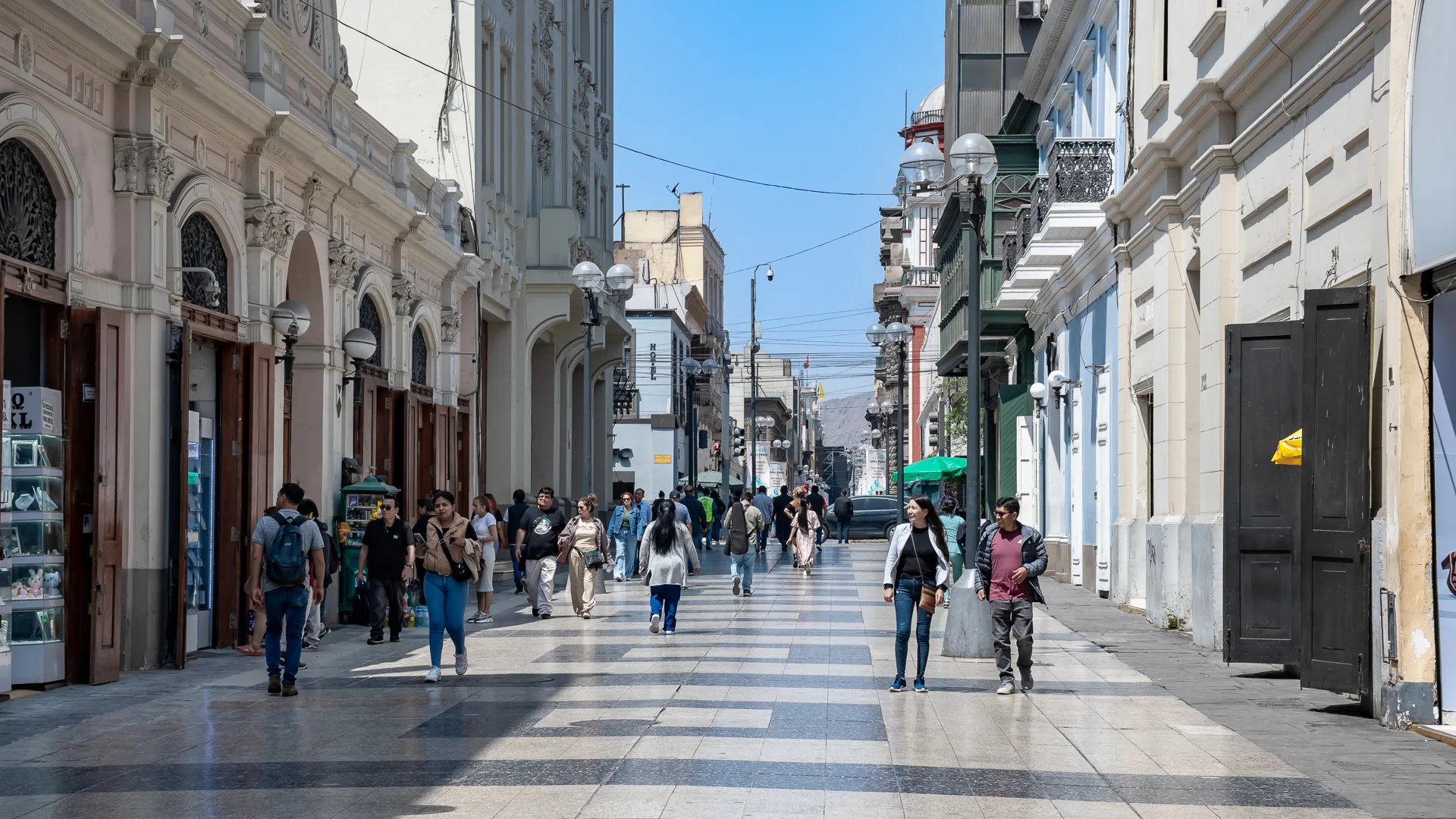
Should You Include Lima On Your Peru Trip?
Peru is one of the most popular tourist destinations in South America, known for its rich history, stunning landscapes, and world-famous attractions like Machu Picchu. Most international travelers arrive in the country through Lima, the capital, before quickly continuing on to destinations such as Cuzco, Arequipa, or the Amazon. However, many visitors wonder, "Is it worth staying a few days in Lima? And if so, how many days?" This guide will help answer that question by exploring what the city has to offer and why it deserves more than just a brief stopover.
Advertising
Lima, the largest city in Peru, is home to over 10 million people. It is located along the Pacific Ocean on the country's central coast. The city's climate is classified as a desert climate, meaning it experiences very little rainfall throughout the year. Despite the lack of rain, Lima is often covered in a thick mist called "garúa," especially in the winter months from June to September. This mist can make the city feel cooler than it actually is and creates a unique, almost mysterious atmosphere. However, the humidity levels remain high, sometimes making the air feel heavy despite the lack of precipitation.
Summers, from December to March, are warmer and sunnier, making it a great time to visit. Temperatures range between 24-30°C (75-86°F), and the city comes alive with outdoor events, festivals, and beachgoers. The cool breeze from the ocean makes even the hottest months more bearable, providing a comfortable climate for exploration. Despite its desert classification, Lima's climate is quite mild compared to many other desert cities due to the Humboldt Current, a cold ocean current that regulates temperatures and prevents extreme heat. However, because of the persistent cloud cover for much of the year, Lima is one of the driest capitals in the world, with an annual rainfall of less than 10 millimeters.
Founded by Spanish conquistador Francisco Pizarro in 1535, Lima quickly became an important center of Spanish colonial rule in South America. It was known as the "City of Kings" and played a crucial role in trade and governance. During the colonial period, Lima was the most important city in the Spanish-controlled territories of South America. It housed the viceroy, who governed vast regions of the continent on behalf of the Spanish crown, and was a major hub for commerce, education, and religion. The city was home to some of the oldest universities in the Americas, including the National University of San Marcos, which was established in 1551 and remains one of the most prestigious institutions in Peru.
Lima's strategic coastal location allowed it to flourish as a trade center, with goods from across South America passing through its ports before being shipped to Spain. However, this wealth also made the city a target for pirates in the 17th century, leading to the construction of defensive walls and fortifications, remnants of which can still be seen today. Over the centuries, Lima has evolved into a dynamic metropolis where the past and present coexist.
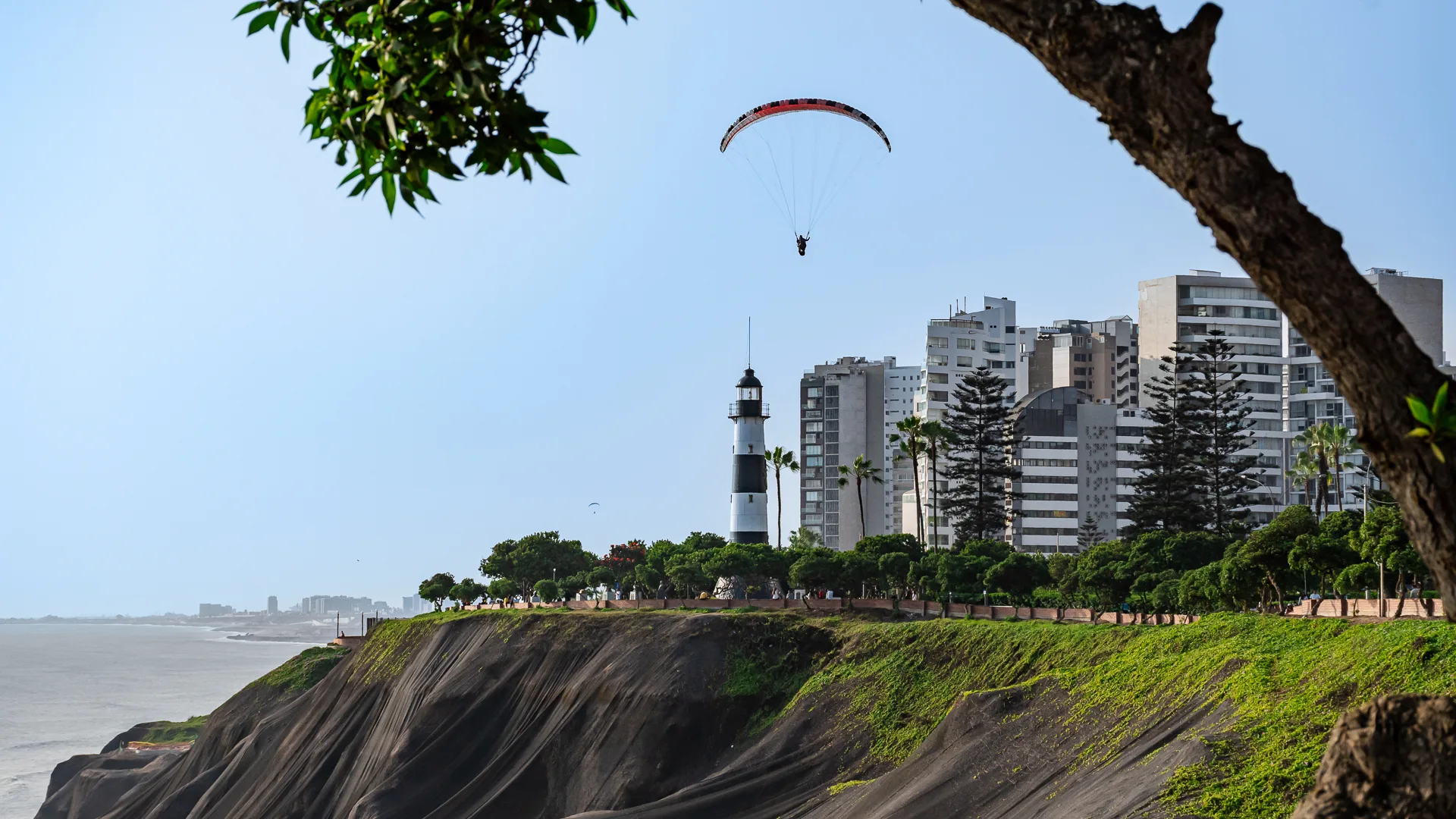
La Marina Lighthouse and the high cliffs above the Pacific Ocean in Miraflores
During my time in Lima, I spent three full days exploring the city and never ran out of things to do. There are three main areas worth visiting, each offering a unique experience. However, if time allows, visitors could easily extend their stay to five days or more to dive deeper into Lima’s diverse offerings.
Miraflores: The Heart of Tourism
Miraflores is the most popular district for tourists. It is a modern, high-end neighborhood known for its safety, excellent restaurants, and beautiful coastal views. This is where most visitors choose to stay, and it is easy to see why. The district is full of top-rated hotels, ranging from budget-friendly hostels to luxurious five-star accommodations, making it accessible to all kinds of travelers.
Although the architecture in Miraflores is somewhat bland, the ocean views more than make up for it. One of the best ways to experience this is by walking along the cliffs overlooking the Pacific Ocean. Highlights include the Love Park (Parque del Amor), which features colorful mosaics and a large sculpture celebrating romance, and the Larcomar Shopping Center, an open-air mall built into the cliffs with stunning views of the ocean. Whether you are looking for high-end fashion, local crafts, or fine dining, Larcomar has something for everyone.
For those who enjoy shopping and dining, a stroll along Larco Avenue leading up to Kennedy Park is a must. Kennedy Park is the true center of Miraflores, bustling with street vendors, artists, and performers. Nearby, several souvenir markets offer an extensive selection of Peruvian handicrafts and textiles. While many stalls sell similar items, browsing through them is a fun way to spend an afternoon. Handwoven alpaca sweaters, vibrant tapestries, and silver jewelry are some of the popular finds.
Miraflores is also home to Huaca Pucllana, an ancient adobe pyramid built by the Lima Culture around 500 CE. This site predates Machu Picchu by over a thousand years. The pyramid was buried and forgotten before European colonization and was only rediscovered in 1981. Today, visitors can take guided tours to learn about its history and significance. The on-site restaurant provides a unique dining experience, allowing guests to enjoy traditional Peruvian dishes while overlooking the ruins.
Advertising
Barranco: Lima's Artistic and Bohemian District
Barranco, located near Miraflores, shares some similarities with its more modern neighbor but has a distinct artistic and bohemian atmosphere. It is the perfect place to admire colorful street art, relax in cozy cafes, and explore boutique shops. The district's charming old buildings and colonial-style streets make it a great spot for photography. In recent years, Barranco has also become known for its vibrant nightlife, with many bars and music venues offering live performances and a great selection of cocktails.
A must-visit attraction in Barranco is the famous Bridge of Sighs (Puente de los Suspiros). According to legend, if you hold your breath while crossing the bridge, your wish will come true. The surrounding area is filled with murals and street art, making it a fantastic place to wander and discover hidden gems. Art enthusiasts should also visit the MATE Museum, founded by renowned Peruvian photographer Mario Testino, which showcases contemporary Peruvian art.
From Barranco, you can take a scenic walk towards the ocean, where you will find more breathtaking coastal views. The district also has a small but charming main square, which is a nice place to relax and soak in the local atmosphere. Street performers and musicians often gather here, adding to the lively ambiance.
Centro: The Historic Heart of Lima
Lima's historic center, known as Centro, is a UNESCO World Heritage Site and home to some of the city's most important colonial landmarks. It is generally safe to visit during the day, but it is best avoided at night. The stunning colonial-era buildings and cobblestone streets transport visitors back in time, making Centro a must-visit for history lovers.
Key attractions in Centro include Plaza Mayor, the main square surrounded by beautiful colonial-era buildings. The Cathedral of Lima, which dates back to the 16th century, is a highlight for history lovers. Nearby, the Basilica and Convent of San Francisco is famous for its catacombs, where thousands of human bones are arranged in eerie patterns. Visitors can take guided tours to learn about the history of these underground burial sites.
Other notable sites include Plaza San Martin, Basilica and Convent of Nuestra Señora de la Merced, and Casa de Osambela, a well-preserved colonial mansion. Centro is the place to experience Lima's rich history and Spanish colonial heritage firsthand. Exploring the various museums in the area, such as the Lima Art Museum (MALI), adds another layer of cultural appreciation to the visit.
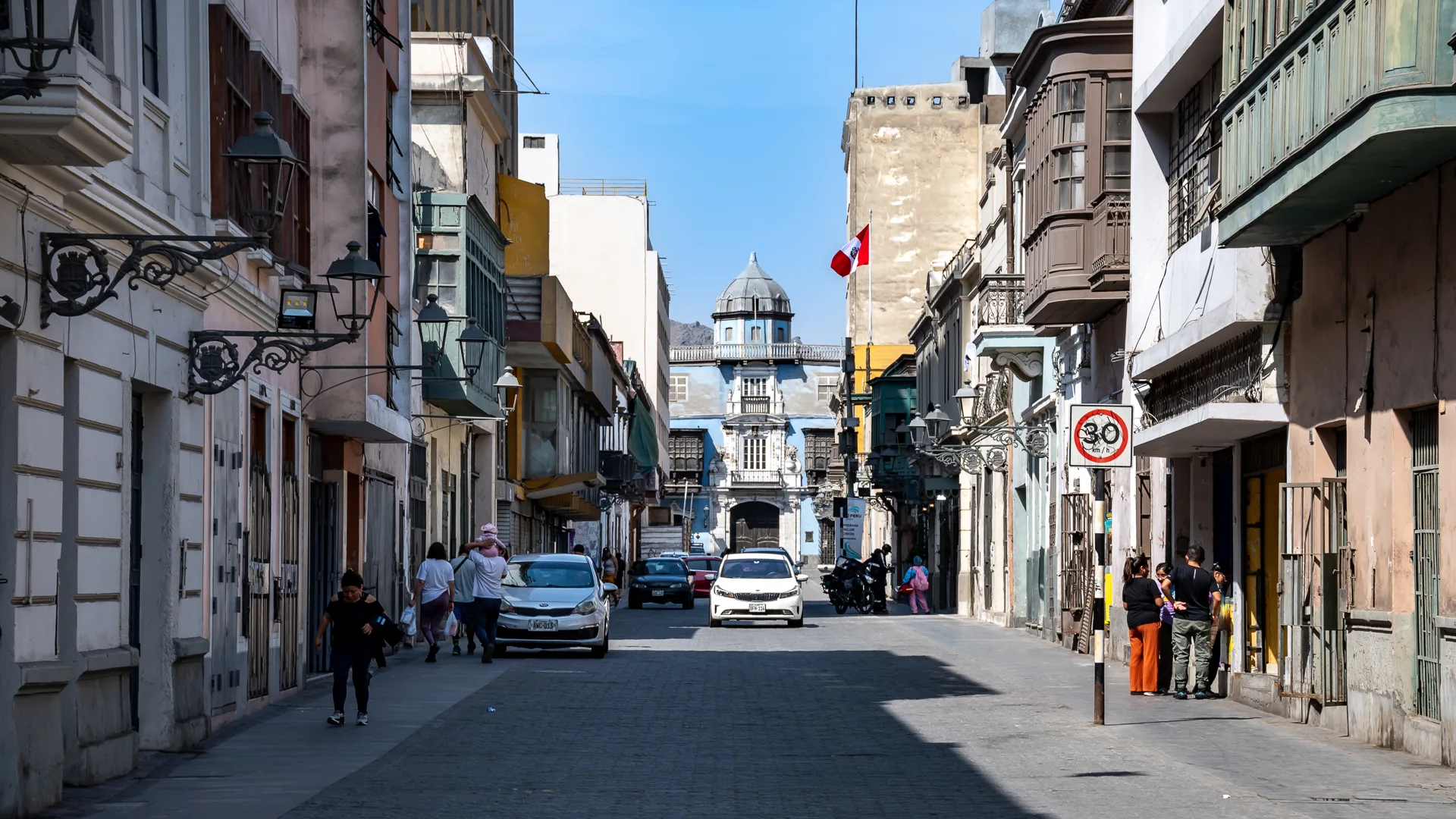
The Historic Centro of Lima with colonial balconies and Casa de Osambela at the end of the street
One downside to exploring Lima is the lack of rail-based public transportation connecting its key districts. While buses are available, they can be crowded and confusing for visitors. The best way to travel between Centro and Miraflores or Barranco is by Uber or taxi. Within Miraflores and Barranco, buses are a safe and affordable option. For those who prefer more independence, renting a bike is a great way to explore the coastal paths of Miraflores and Barranco.
Peru as a whole is widely regarded as one of the best culinary destinations in the world, and Lima is at the heart of this reputation. The city is home to some of the best restaurants in South America, with several ranking among the top restaurants worldwide. Lima’s food scene is a fusion of indigenous Peruvian flavors, Spanish influences, and international culinary trends, creating a diverse and exciting dining experience for visitors.
One of Lima’s most famous culinary contributions is ceviche, a dish made of fresh raw fish marinated in lime juice, chili peppers, and onions. It is considered Peru’s national dish and is best enjoyed at one of the city’s many cevicherías, particularly in the coastal districts of Miraflores and Barranco. Another must-try dish is lomo saltado, a stir-fry that blends Chinese and Peruvian flavors with beef, onions, tomatoes, and soy sauce served over rice and fries.
Lima is also known for its world-class fine dining scene. Restaurants like Central, Maido, and Astrid y Gastón offer innovative takes on Peruvian cuisine, earning them spots on prestigious international rankings. These restaurants provide an opportunity to explore the country’s diverse ingredients, from Amazonian fruits to Andean grains, in unique and expertly crafted dishes.
For a more casual but equally delicious experience, visitors should explore local markets such as Mercado de Surquillo or the street food stalls of San Isidro or Barranco.
Advertising
Lima is definitely worth a longer visit rather than just a short stopover. Many travelers make the mistake of rushing through the city by either catching a connecting flight immediately or only staying for one night. However, Lima has so much to offer that it deserves at least three full days of exploration, if not more.
During my visit, three days felt perfect, but if you have extra time, you could easily add another one or two days to fully experience everything Lima has to offer. My recommendation is to set aside at least three to five days before continuing to Cuzco, Machu Picchu, or other destinations in Peru. Taking the time to explore Lima will provide a deeper understanding of Peru's culture, history, and modern life, making your trip even more enriching before deep-diving into the Inca culture of Cusco for example.
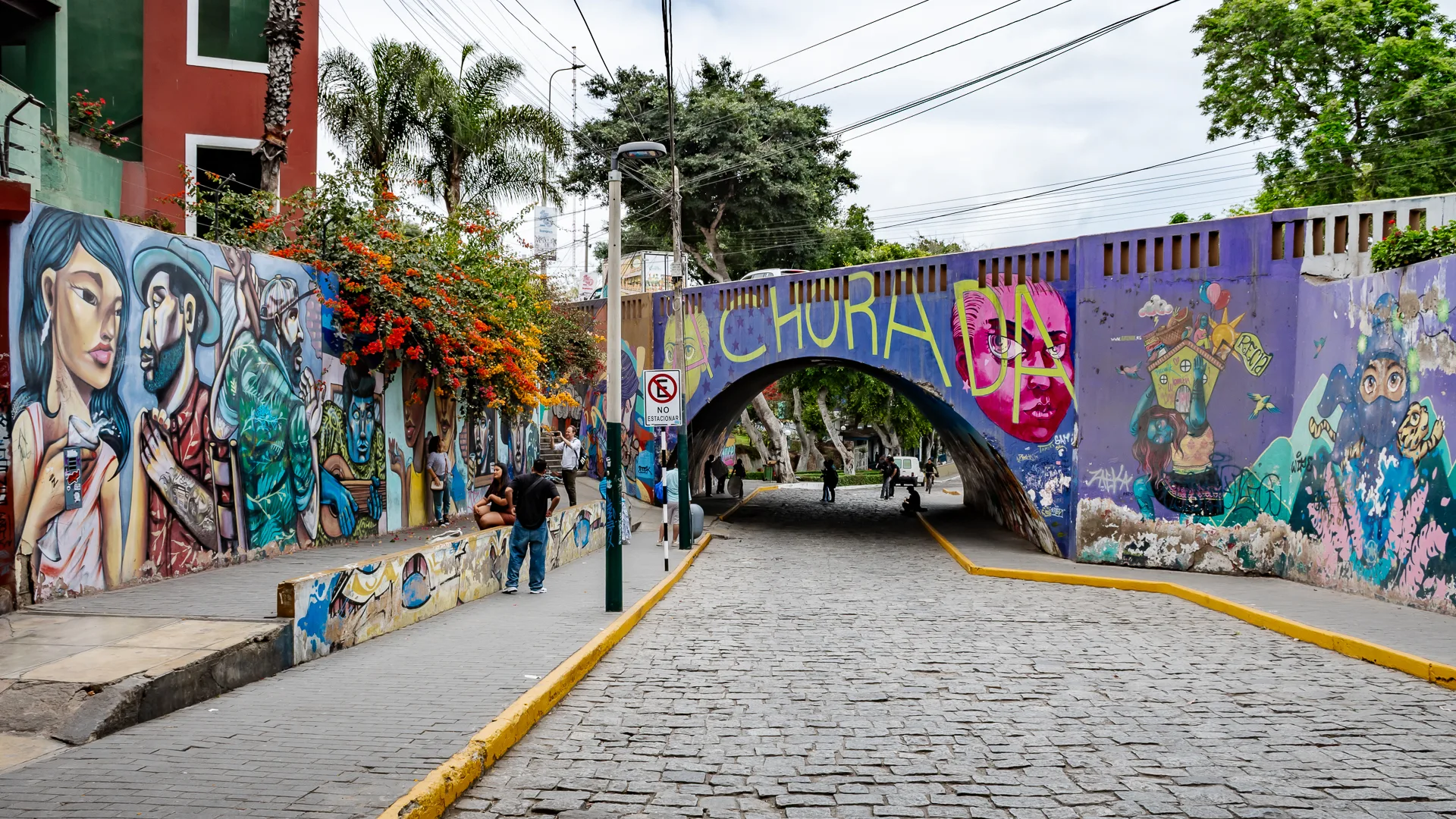
Street art in Barranco
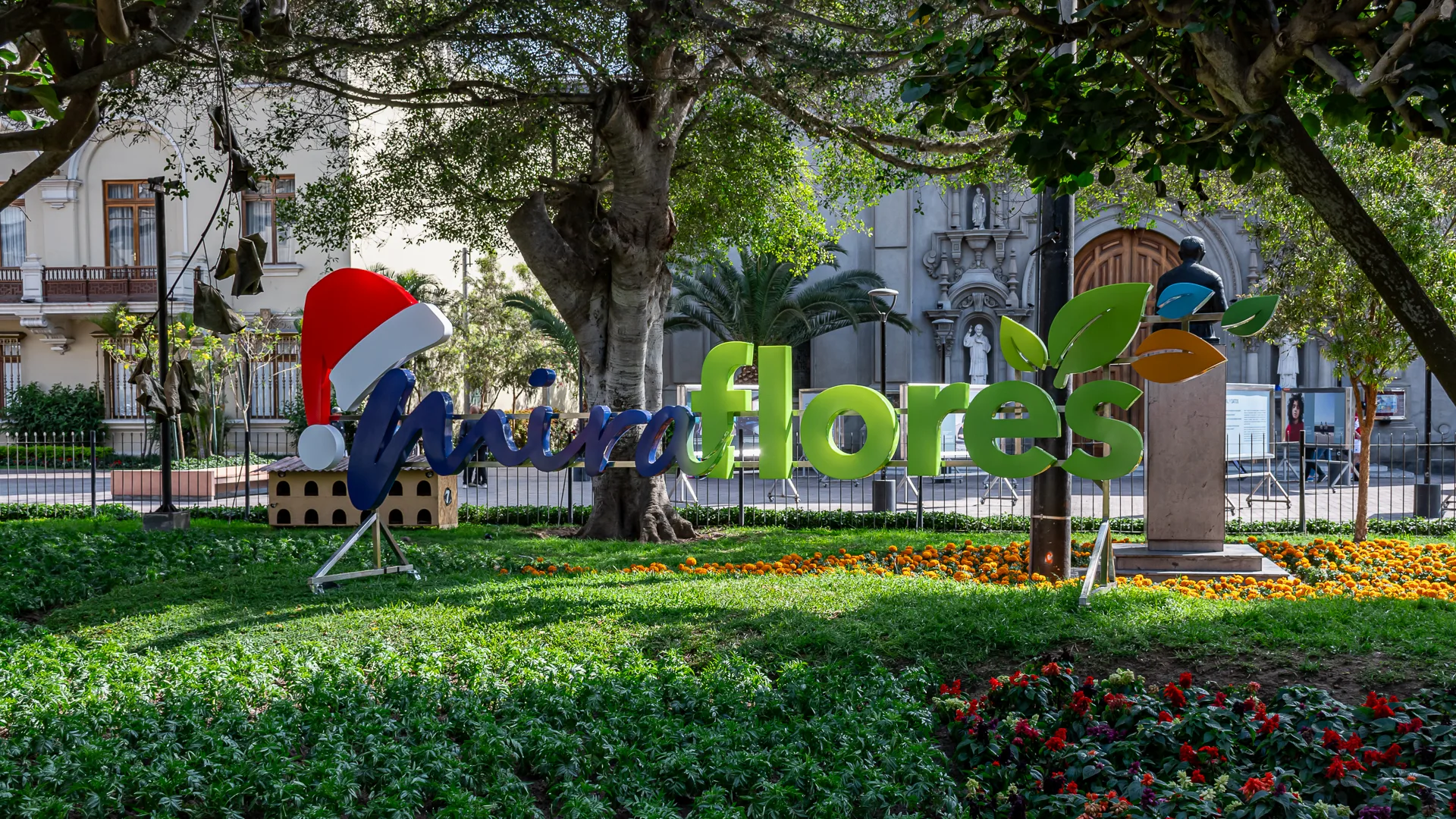
Kennedy Park in Miraflores
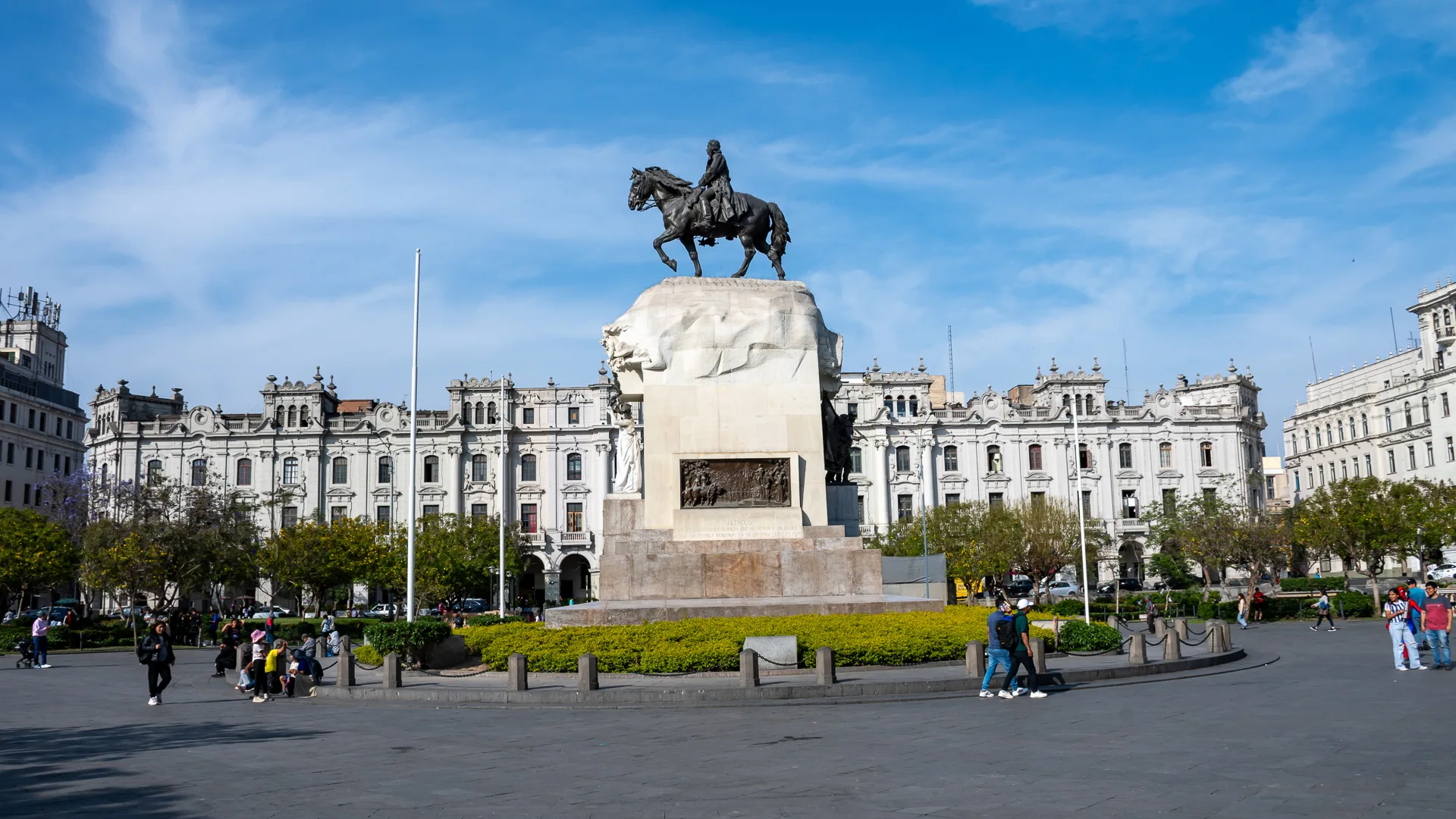
Plaza San Martin in Centro

Read More From WorldThroughMyCamera.com