
Where To Stay In Santa Cruz de la Sierra?
Santa Cruz de la Sierra is a city in transition. Situated in the eastern lowlands of Bolivia, it is the country’s largest and most economically dynamic city. As with many cities in South America, Santa Cruz offers a dichotomy that travelers often encounter - a traditional historic core and a modern, rapidly developing urban center. Choosing between the Old Town, also known as the Centro, and the newer district of Barrio Equipetrol is an important decision that can shape your entire visit.
Advertising
Founded in 1561 by Spanish explorer Ñuflo de Chávez, Santa Cruz de la Sierra was originally located further east before being relocated to its current site in the early 17th century. The city remained relatively small and isolated for centuries, but began to grow significantly during the 20th century due to infrastructure improvements, economic reforms, and migration from the highlands.
Today, Santa Cruz is the commercial heart of Bolivia. It serves as a gateway to the country’s eastern lowlands and has become increasingly influential in national politics and business. Despite its growth, however, the historical roots of the city can still be traced in the layout and architecture of the Old Town.

Street scene in the Historic Centro
The Old Center of Santa Cruz is what most guidebooks recommend for travelers. At the heart of the Centro is Plaza 24 de Septiembre, a leafy central square surrounded by cafes, benches, and the city’s Cathedral Basilica of St. Lawrence. This area, with its colonial-era grid design and traditional buildings, is typically what tourists envision when planning a stay in a South American city.
For travelers who enjoy immersing themselves in history, walking through cobbled streets, and being close to landmarks, the Centro would seem like the ideal base. That was certainly my first instinct. I usually prefer to stay in older parts of cities, where I can absorb local history and be near the main sights. However, Santa Cruz’s Old Center did not fully meet these expectations.
Many parts of the Centro feel run down, with a surprising number of storefronts permanently shuttered. A significant portion of the shops cater to a single industry, such as optical stores, creating a sense of repetition and commercial homogeneity. In some areas, especially after dark, the streets felt sketchy and under-maintained. While not outright unsafe, the overall atmosphere was less welcoming than expected.
That said, there are highlights. Plaza 24 de Septiembre is a pleasant and well-maintained spot. The nearby Paseo Artesanal La Recova is an excellent place to purchase local crafts and souvenirs. Parque El Arenal, another notable sight in the area, is worth a visit, although it was, in my experience, the most uncomfortable and sketchiest location I encountered during a month of travel across South America. These factors, taken together, suggest that while the Centro deserves a visit, it may not be the best place to stay.
Advertising
In contrast, Barrio Equipetrol represents the future of Santa Cruz. Located just a few kilometers from the city center, this district has emerged as the modern business and lifestyle hub. It is home to a growing skyline of apartment towers and hotels, many of which are so new that they do not yet appear on mapping services like Google Maps.
This is where I ended up staying, after finding a hotel deal that was too good to ignore. What I discovered was a neighborhood that combined safety, modern amenities, and a surprisingly accessible price point. While some upscale restaurants and American chain establishments do command higher prices, most shops and eateries offer excellent value for money.
The atmosphere in Equipetrol is markedly different from the Centro. The streets are clean and well-lit. It feels safe at all hours of the day. There are numerous options for dining, from international cuisines to local favorites. The nearby Ventura Mall provides additional shopping and entertainment options, making it a convenient stop for travelers who enjoy a mix of comfort and accessibility.
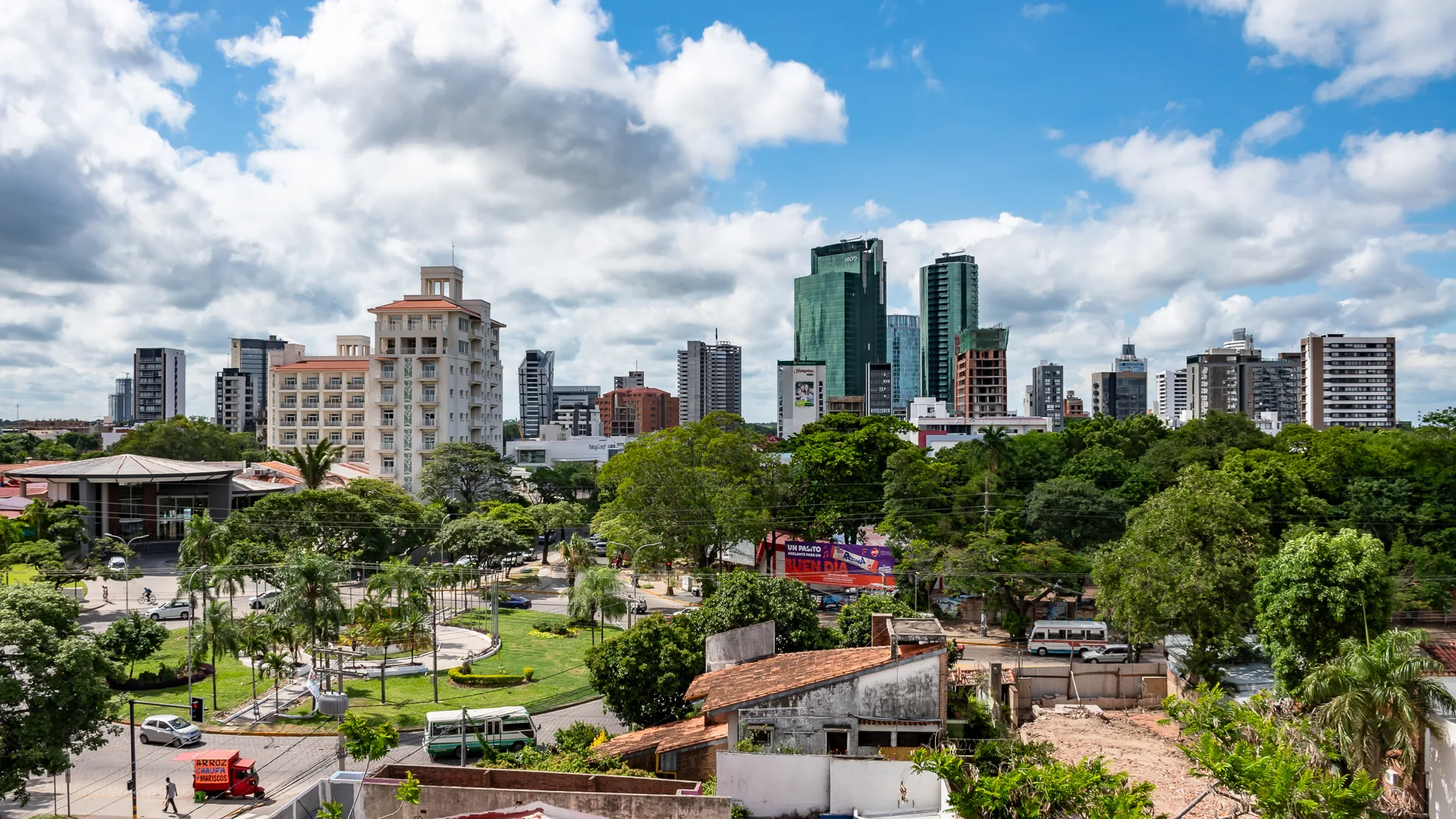
Skyline of Santa Cruz de la Sierra
Santa Cruz is a sprawling city, and many of its key attractions are located outside of the Old Center. This includes landmarks such as the Christ the Redeemer Monument, the Santa Cruz Municipal Zoo, and various parks and museums spread across different districts. Regardless of where you stay, you will need to venture beyond your immediate surroundings to explore the city fully.
For transportation, Uber is by far the best option. It is widely used, safe, and inexpensive. Whether you are heading from Equipetrol to the Centro, or exploring other neighborhoods and sights, Uber provides a reliable way to get around without the hassle of navigating public transportation or negotiating with taxis.

Skyline of Barrio Equipetrol at night
Choosing to stay in Barrio Equipetrol went against my usual travel philosophy. I typically opt for the older, historic parts of cities. However, in Santa Cruz de la Sierra, this approach would not have served me well. While the Old Town has its merits, it is not particularly unique or well-preserved, especially when compared to other Bolivian cities like Sucre, which offers a far more compelling colonial experience.
Instead, Equipetrol offered comfort, security, and proximity to modern conveniences, all while still being close enough to take a short Uber ride into the Centro for sightseeing. It is the opposite of how I usually travel, but it was undeniably the best approach for this city.
My recommendation is to stay in a higher-end hotel in Barrio Equipetrol, which can often be found at very affordable rates, and use Uber to explore the rest of the city. This way, you can enjoy both comfort and culture during your time in Santa Cruz de la Sierra.
There is a reason why, when you search for images of Santa Cruz online, the Cathedral is often the only building that appears. While the Centro remains symbolically important, the city’s growth, energy, and future are clearly centered in districts like Equipetrol.

Santa Cruz Cathedral

Streets of the Historic Centro

Modern skyscrapers of Barrio Equipetrol

Read More From WorldThroughMyCamera.com